



















You’ve been training for months, and now you want to know if your hard work is paying off. There are several ways to measure your progress, but it’s important to look beyond a single metric, such as threshold pace, speed, or power.
Most training apps use your lactate threshold to estimate performance across different training zones. However, everyone responds to training differently, and improvements vary by effort level. For example, Zone 2 training tends to improve performance more at lower intensities, while high-intensity training brings greater gains at higher intensities.

So, instead of simply asking whether you’re getting faster, ask whether you’re getting faster at a specific effort level. Choose a test that matches your target event and the type of training you’ve been doing. After all, you’re more likely to see improvements in areas you’ve actually trained.
Here are several tests to help you measure your pace, speed, or power at different effort levels.
How Triathletes Can Test Fitness and Speed
Threshold-Effort Tests
Threshold-effort tests are commonly used to measure lactate threshold and estimate performance at race pace. They are especially useful for experienced athletes competing in sprint and Olympic-distance triathlons. These tests can also help establish training zones if you haven't set them yet.
The test follows the same basic structure for swimming, cycling, and running: warm-up, preparation, recovery, a timed maximum effort, and cool-down.
During the test, gradually build your effort in the first few minutes. Then maintain the hardest pace you can sustain until the end. You should finish feeling that you’ve given nearly everything you have.
Test Structure:
- Warm-up: 10–20 minutes (400–800 yards/meters) at an easy effort (Zone 1, RPE 3/10).
- Prep Set: 3–5 × 30 seconds hard (Zone 5, RPE 8–9/10), followed by 30 seconds easy.
- Recovery: 2–5 minutes (100–300 yards/meters) at an easy effort.
-
Test Set: Complete a timed maximum effort:
- Swim: 1,000 yards or meters
- Bike: 20 or 30 minutes, or 20 km
- Run: 30 minutes or 5 km
- Cool-down: At least 3–5 minutes (200–400 yards/meters) at an easy effort.
Sub-Threshold-Effort Tests
Sub-threshold tests use repeated intervals to track fitness improvements throughout the training season. They are useful for evaluating performance at race efforts, especially for Olympic- and half-distance triathlons.
They can also help measure fatigue resistance. If you can maintain a consistent pace, speed, or power across all intervals, with a steady heart rate during the final two intervals, it’s a good sign that your endurance is improving.
The test follows a similar structure to threshold tests: warm-up, prep set, recovery, repeated intervals, and cool-down. You can either keep the effort level consistent to see if your pace or power has improved, or maintain a target pace to test fatigue resistance. For longer-distance events, longer intervals are recommended. Remember to pace yourself and avoid starting too hard.
Test Structure:
- Warm-up: 10–20 minutes (400–800 yards/meters) at an easy effort (Zone 1, RPE 3/10).
- Prep Set: 3–5 × 30 seconds hard (Zone 5, RPE 8–9/10), followed by 30 seconds easy.
- Recovery: 2–5 minutes (100–300 yards/meters) at an easy effort.
Repeated Interval Set:
-
Swim:
- Option A: 8–10 × 100 yards/meters (RPE 6–7/10), with 10 seconds rest.
- Option B: 3–5 × 300–400 yards/meters (RPE 5–6/10), with 20 seconds rest.
-
Bike:
- Option A: 4–6 × 5–10 minutes (RPE 6–7/10), with 3-minute easy recoveries.
- Option B: 3–4 × 10–20 minutes (RPE 5–6/10), with 3-minute easy recoveries.
-
Run:
- Option A: 4–8 × 800 m or 3–5 × 1 mile (RPE 6–7/10), with 3-minute jogging recoveries.
- Option B: 3–4 × 2,000 m or 3 × 2 miles (RPE 5–6/10), with 3-minute jogging recoveries.
- Cool-down: At least 3–5 minutes (200–400 yards/meters) at an easy effort.
Track Your Heart Rate During Training

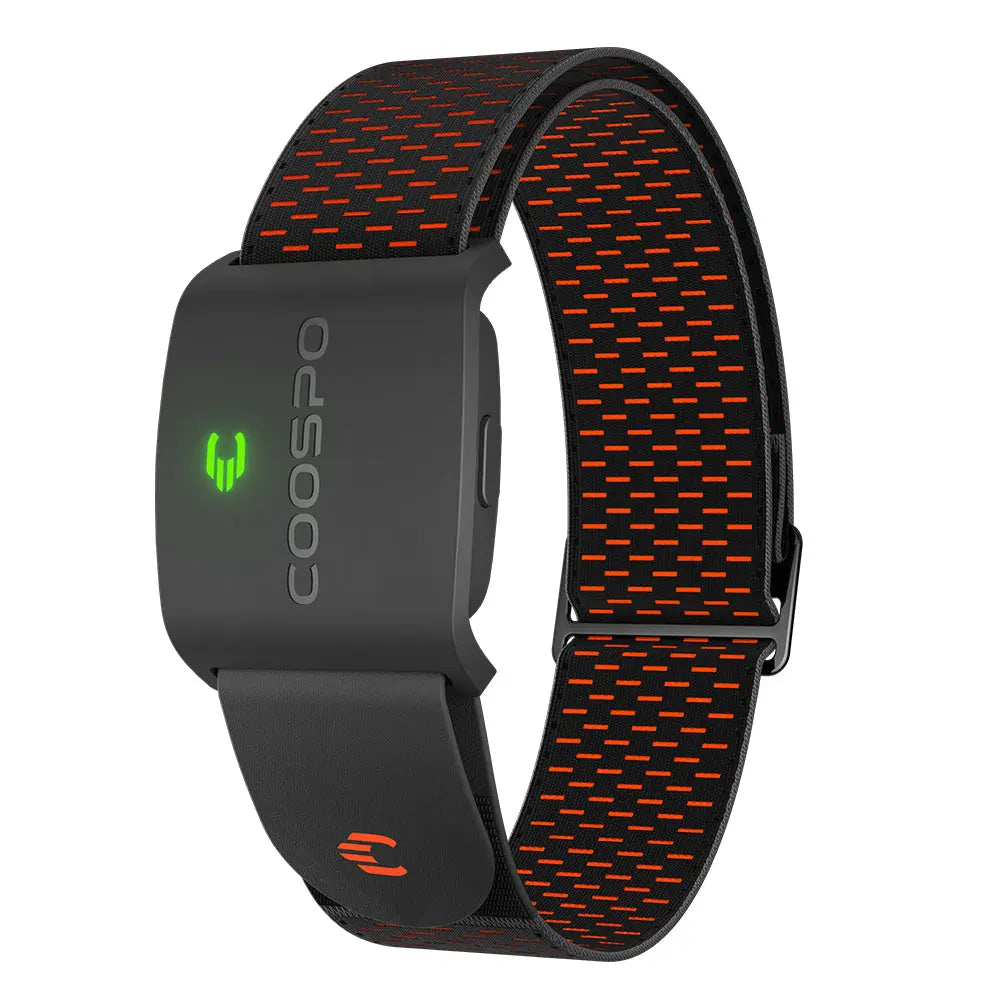
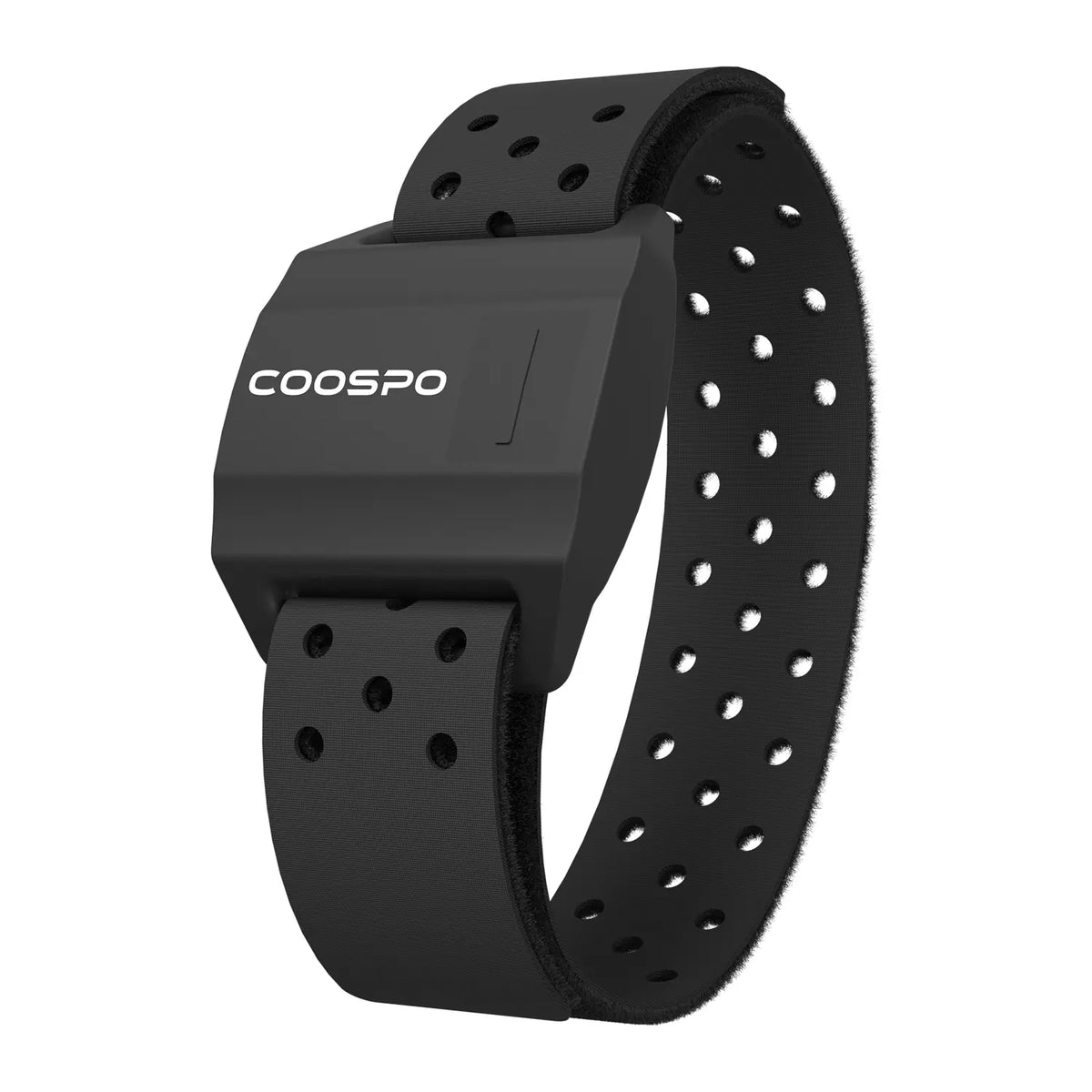
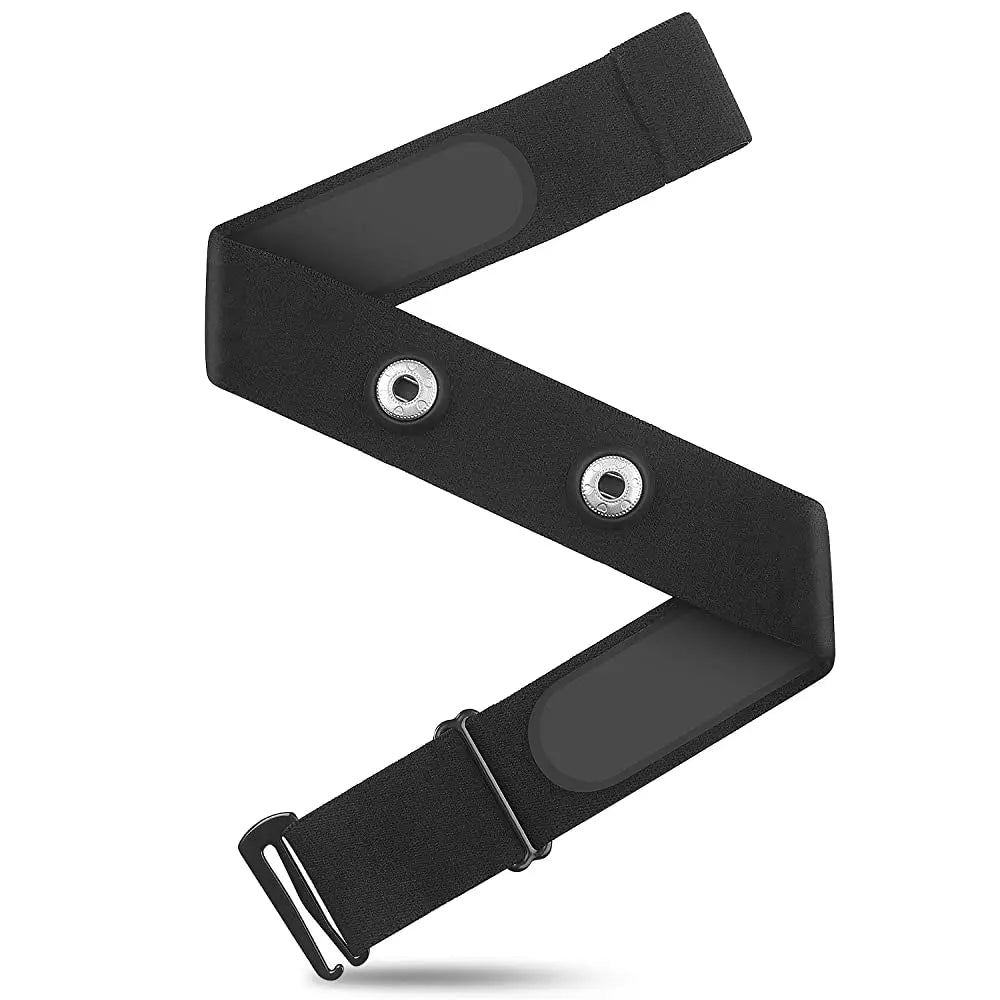
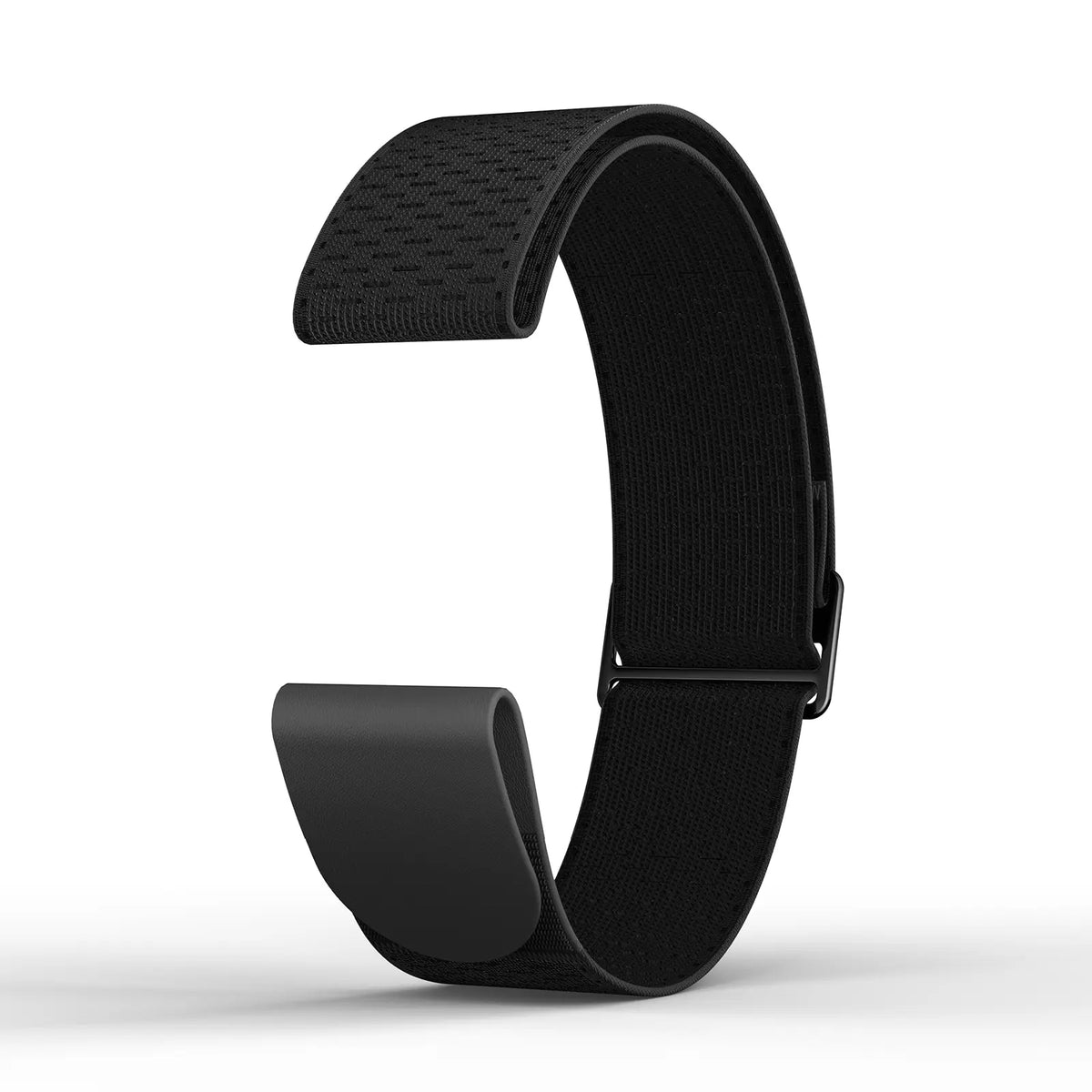
Monitoring your heart rate during repeated intervals can help you understand how your body responds to different training intensities. The COOSPO HW9 heart rate armband lets you track your heart rate during cycling and running, making it easier to review your training data and monitor changes in your performance.
How Often Should You Repeat Fitness Tests?
Fitness tests are most useful when you repeat them regularly and compare the results over time. For most triathletes, testing every 6–8 weeks is a practical way to track progress without interrupting their regular training routine.
Avoid testing too frequently, as your body needs enough time to adapt to training. Between formal tests, you can also monitor everyday workout data, such as pace, cycling power, heart rate, and recovery time. These details can help you notice gradual improvements that may not be obvious during a single test.

It's also important to use the same test format each time. Keep the distance, duration, effort level, and recovery periods consistent so you can make fair comparisons. If your pace improves at the same heart rate, or you can maintain the same power with less effort, these may be signs that your fitness is improving.
Remember, progress doesn't always mean going faster. Better endurance, improved fatigue resistance, and faster recovery are also meaningful signs of fitness gains.
How to Interpret Your Test Results
Many athletes judge test results as a simple pass or fail, focusing only on pace, speed, or power. However, factors like sleep, recovery, nutrition, course conditions, and weather can all affect performance. Without considering these factors, comparing results with previous tests may not give you an accurate picture.
For more reliable comparisons, try to repeat tests on the same course, with the same equipment, and under similar conditions. Make sure you're well-rested and properly fueled. Also, remember that a poor result doesn't always mean your fitness has declined. Sometimes it simply reflects fatigue, stress, or a bad day.

Most importantly, use your test results to guide future training, not judge past performance. Look at changes in pace, speed, power, heart rate, and fatigue resistance, then use these insights to adjust your training plan. A test is a tool to understand your progress, not a final verdict on your fitness.


Hinterlassen Sie einen Kommentar
Diese Website ist durch hCaptcha geschützt und es gelten die allgemeinen Geschäftsbedingungen und Datenschutzbestimmungen von hCaptcha.