



















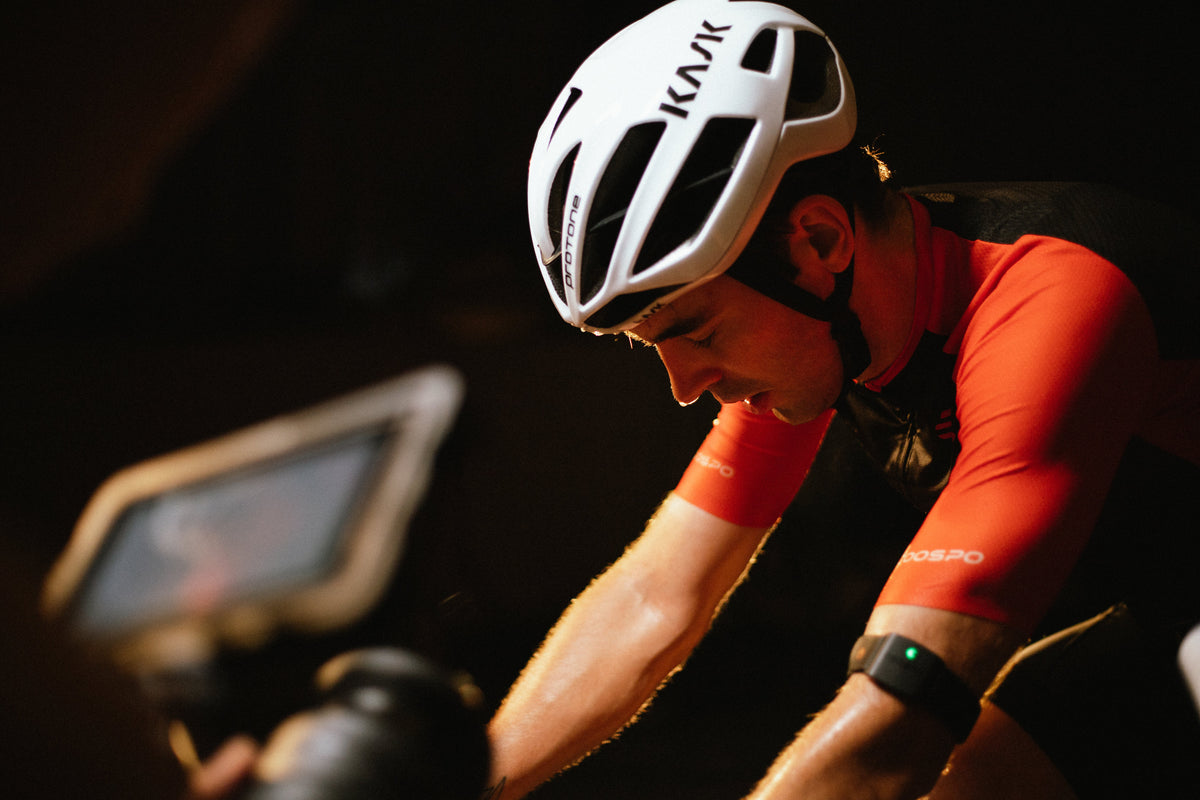
Cycling performance can be monitored through both personal feel and measurable data. Some cyclists prefer to rely on basic metrics such as time, distance, and speed, along with how their body feels during a ride. Others use heart rate and power data to better understand their effort and manage training intensity.

Relying only on feel can sometimes make it difficult to recognize when effort is too high, potentially leading to early fatigue during a race. Tracking power and heart rate helps cyclists set clear training targets, control intensity, and make each session more structured and effective.
A balanced approach is often the most practical. Start with basic cycling metrics, such as speed, distance, and time, then gradually add heart rate, power, or other data as training needs evolve. Over time, cyclists can identify the metrics that are most useful for monitoring fitness, managing fatigue, and improving performance.
Cycling Metrics to Track for Better Performance
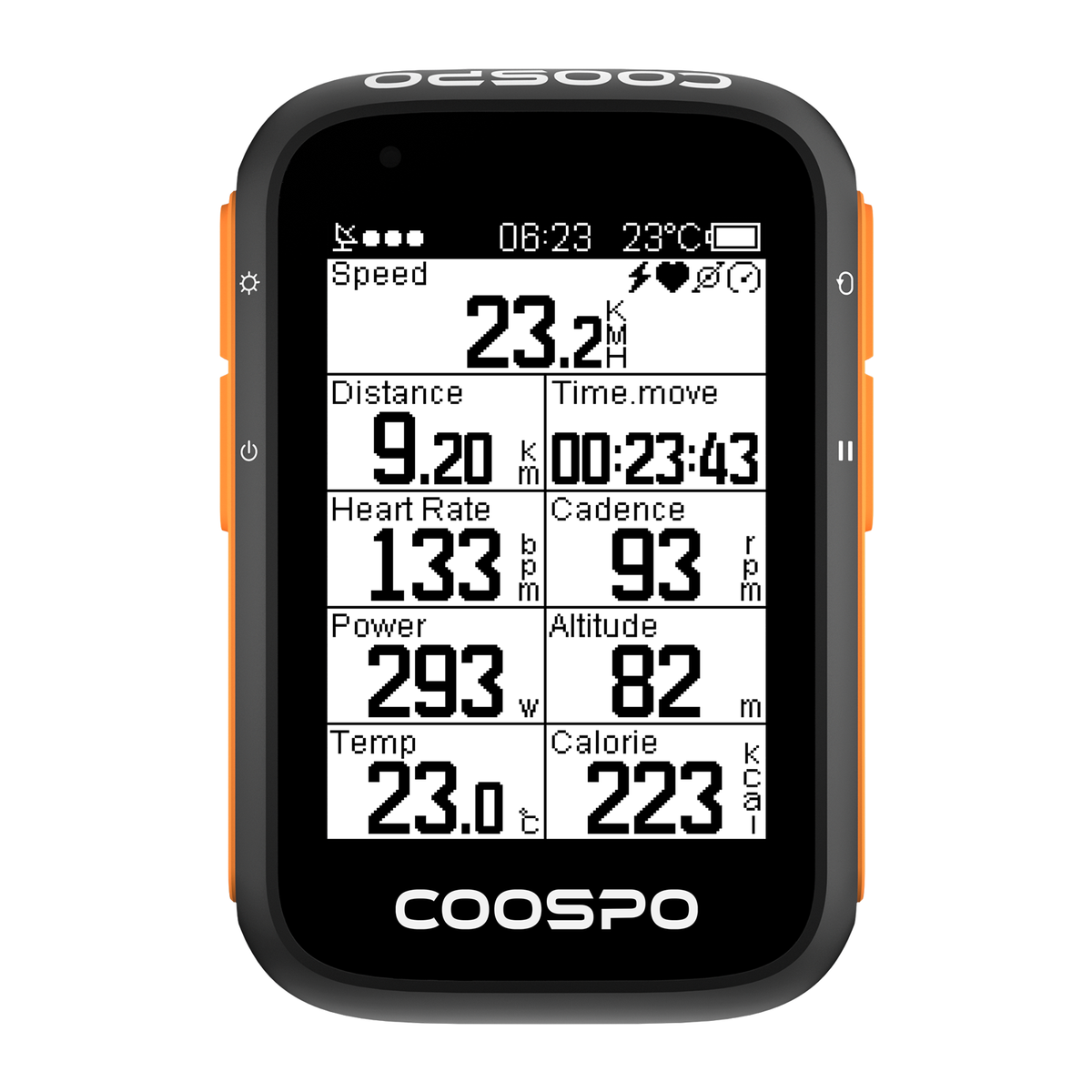
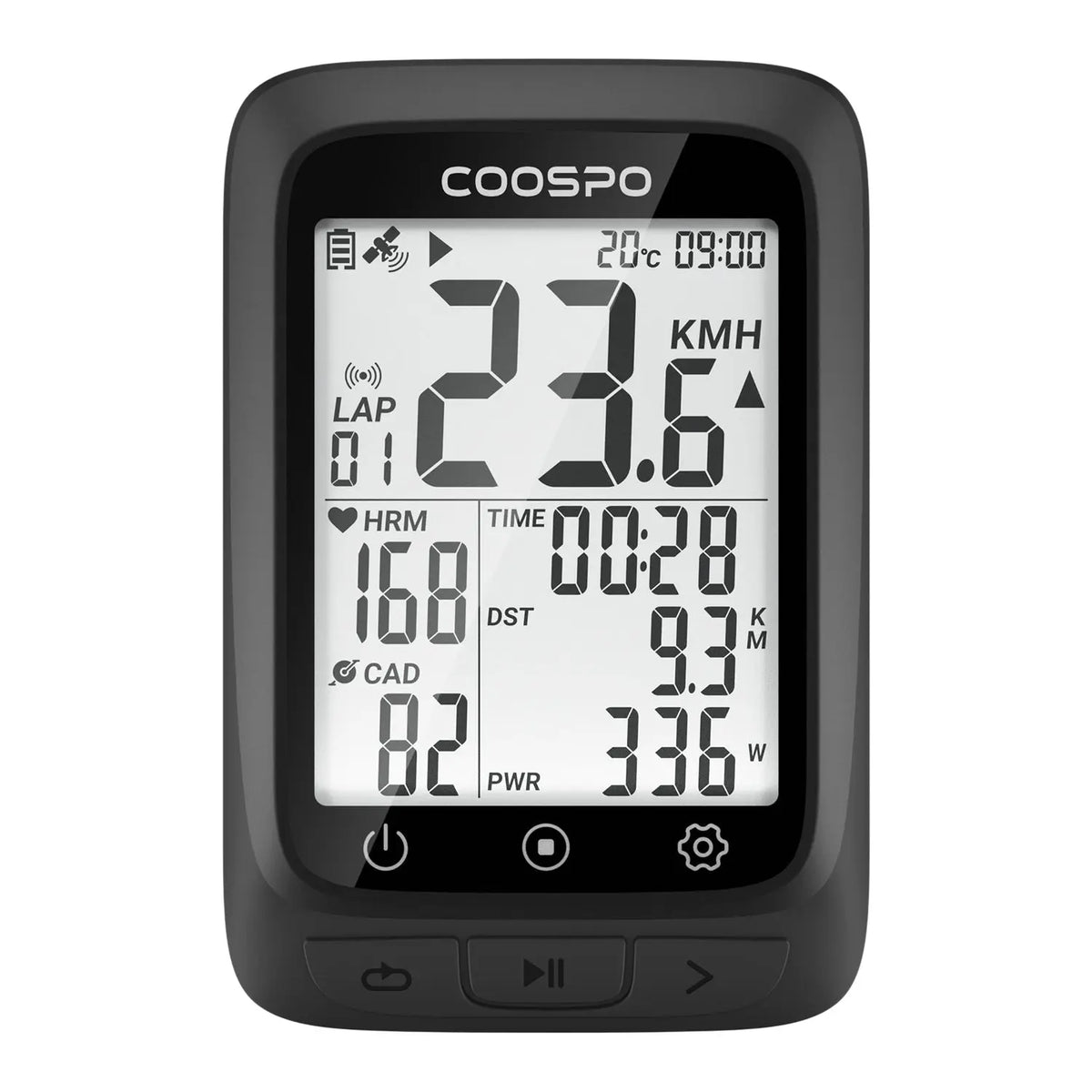
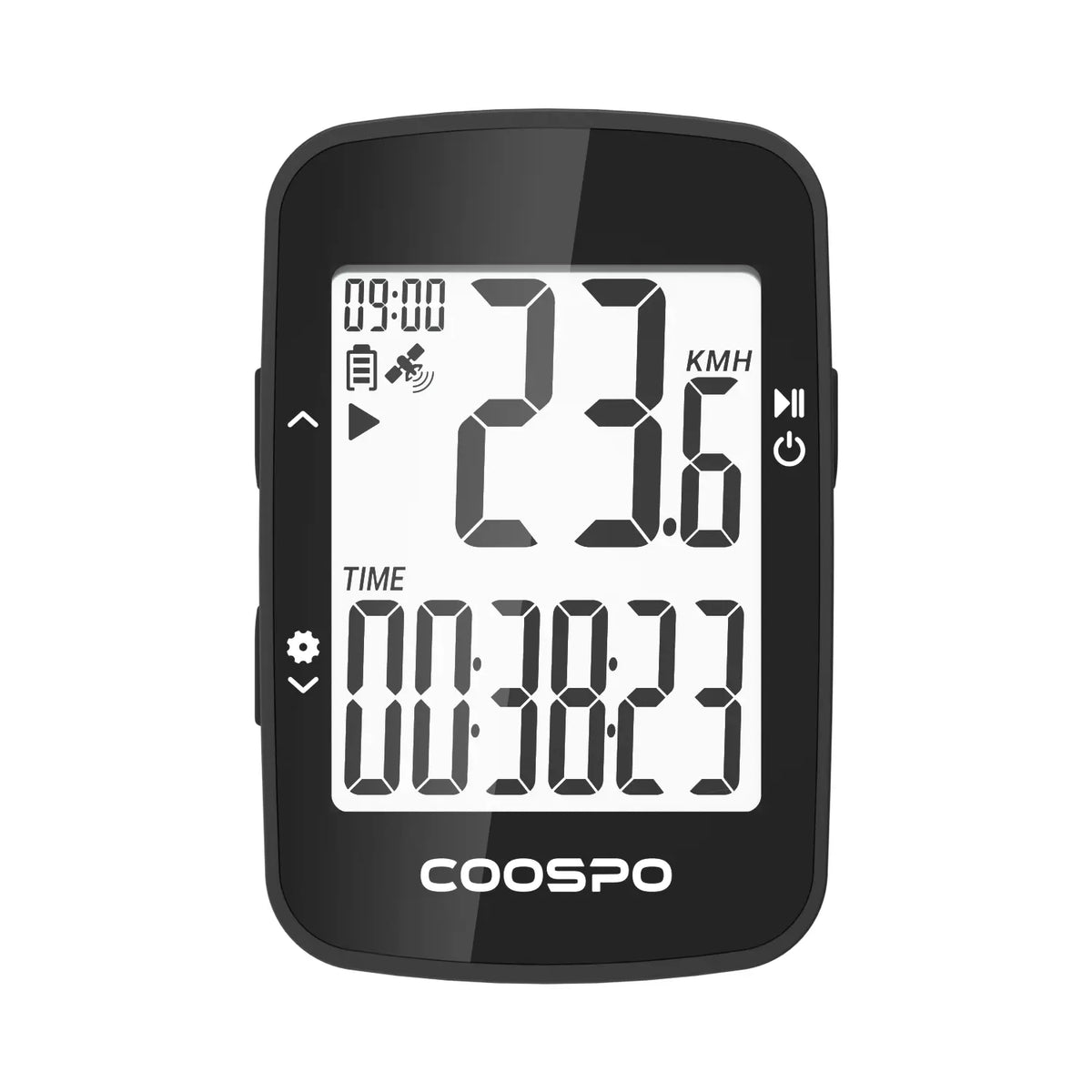
Tracking cycling metrics requires devices that can collect and record ride data. A GPS bike computer can measure basic metrics such as speed, distance, time, and elevation. For more detailed insights into cycling performance and training, additional sensors can track data such as heart rate, cadence, and power.
Speed / Average Speed
Speed is a useful metric for monitoring riding pace and tracking performance improvements over time. A GPS bike computer makes it easy to record speed and compare results across different rides.
Speed, usually measured in miles per hour (mph) or kilometers per hour (km/h), is one of the easiest cycling metrics to track. It provides a general idea of riding performance, but it is not always a reliable measure of fitness because factors such as wind, terrain, road conditions, and elevation can affect speed.
Average speed is more useful for tracking long-term progress. For example, if you consistently ride the same route at 16 mph instead of your previous average of 15 mph, it may indicate improvements in fitness and riding efficiency.
It's also important to distinguish between moving time and total elapsed time. Moving time excludes breaks, while elapsed time includes them. For events such as gravel races, elapsed time matters because race cut-off times often include rest stops. Tracking both helps you manage breaks, plan your pace, and avoid missing time limits.
Distance
Distance is a useful metric for tracking riding volume and building endurance. Setting weekly or yearly mileage goals can help cyclists stay motivated and gradually increase their training load.
However, distance alone doesn't tell the whole story. A 60-mile ride on flat roads can be very different from a 60-mile mountain bike ride on technical trails. Terrain and riding conditions can significantly affect the time and effort required.
Distance is also important when preparing for specific events. For example, cyclists training for a 100-mile ride can gradually build endurance by increasing their long rides from 50 to 75 miles before reaching the target distance.
Time
Time is an important metric for planning training and preparing for events. Tracking how much time is available for riding each week can help cyclists organize their training more effectively. Those with limited training time can focus on short, high-intensity interval sessions during the week and longer rides on weekends when possible. A watch can track ride time, while a bike computer can automatically record moving time and stopped time.
Elevation
Elevation gain measures the total vertical distance climbed during a ride, usually recorded in feet or meters. Climbing hills challenges the body and helps build strength and endurance. Tracking elevation and setting climbing goals can encourage cyclists to take on more challenging routes and improve their fitness. A GPS-enabled bike computer can record elevation gain and help monitor progress. A good starting goal is around 500 feet of climbing per 10 miles, gradually working toward 1,000 feet per 10 miles.

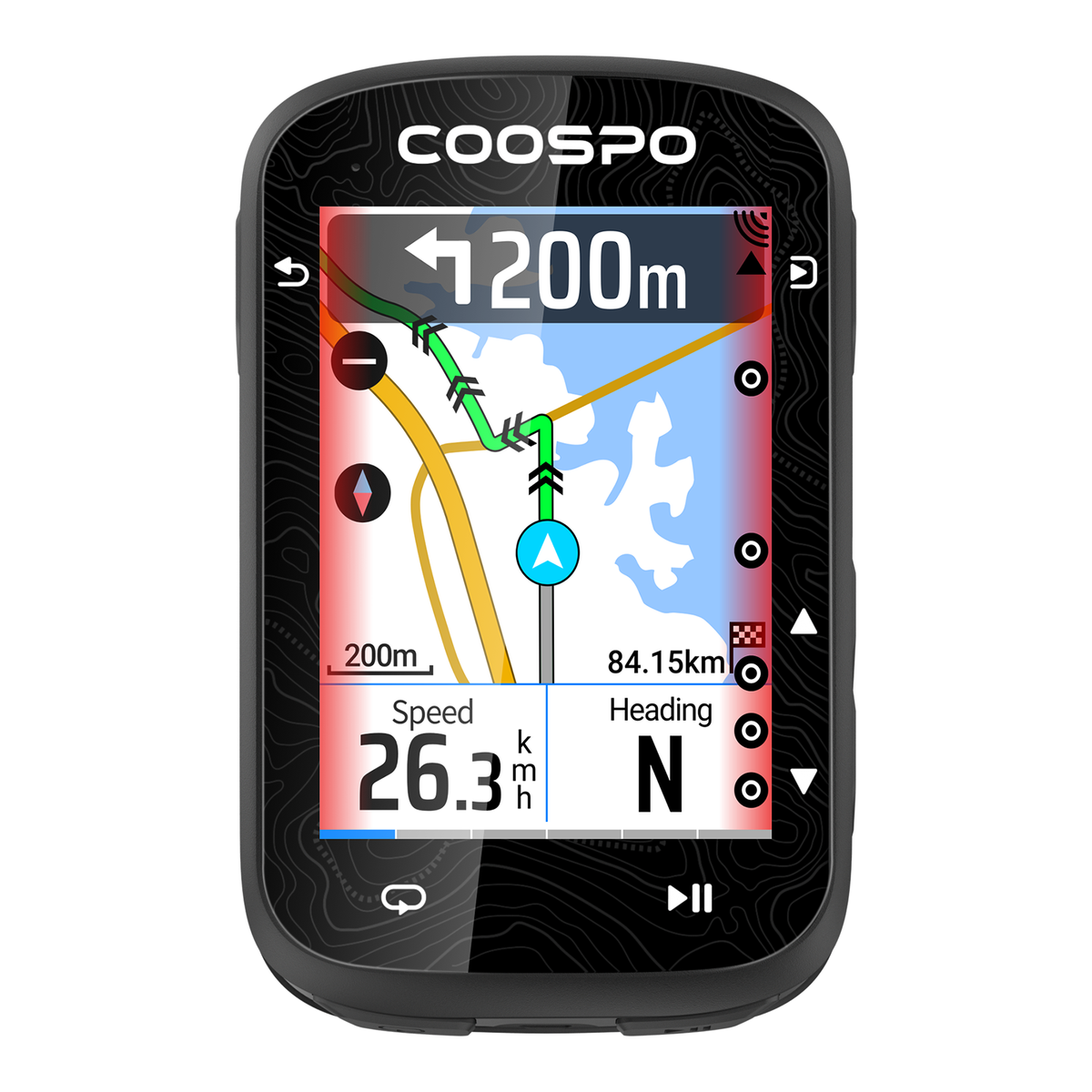
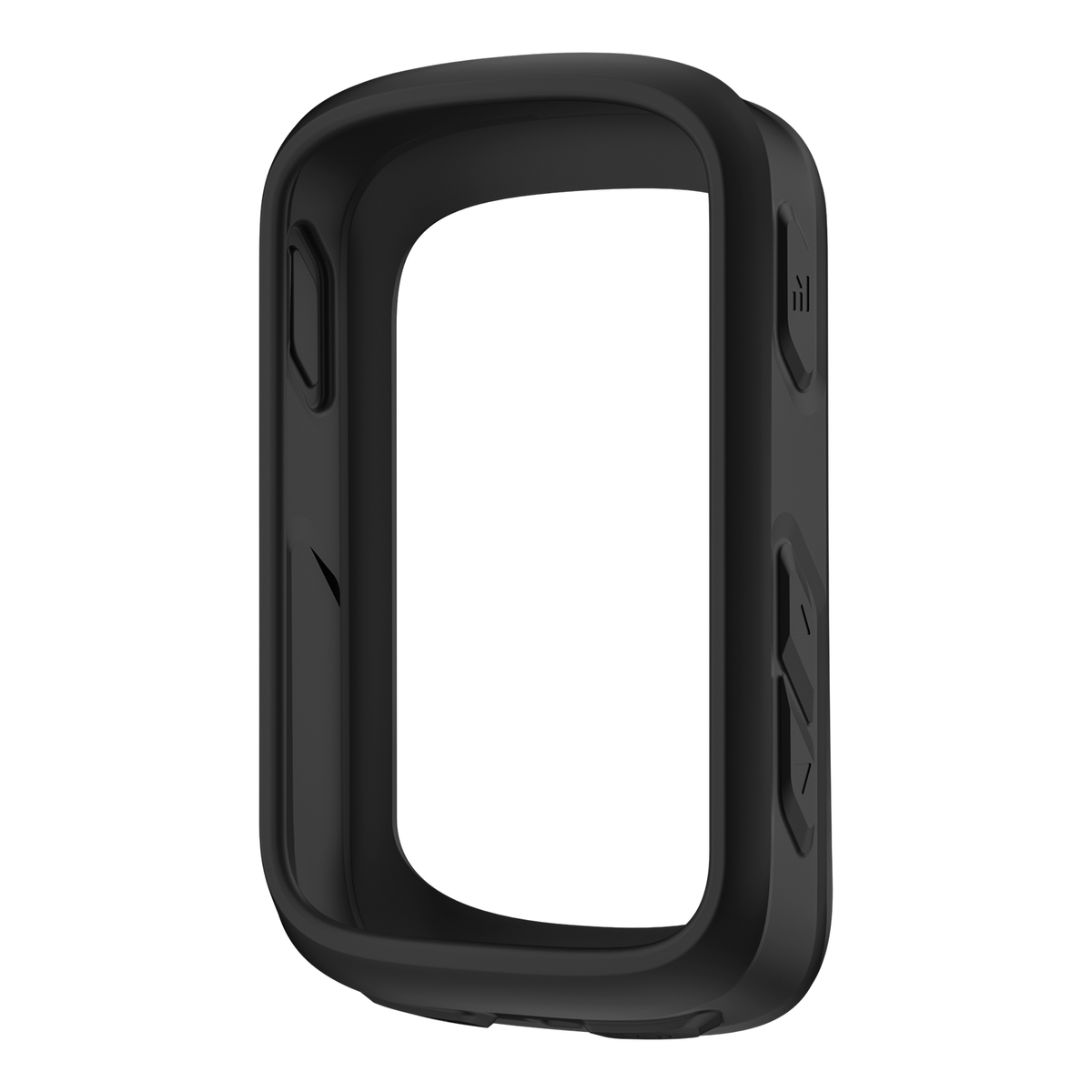
For cyclists looking to track essential ride data in one place, the COOSPO CS600 GPS Bike Computer is a practical choice. It records key metrics such as speed, distance, time, and elevation, while its 2.4-inch color touchscreen makes ride data easy to view. It also supports GPS navigation, helping cyclists monitor their rides and explore new routes.
Calories
Calories burned estimate the energy used during a ride and can help cyclists plan their nutrition and fueling. Cycling apps and smartwatches provide calorie estimates, but their accuracy varies. Adding heart rate data can improve these estimates, while a power meter offers a more reliable measurement. Power meters record work in kilojoules (kJ), which roughly correspond to calories burned on a 1:1 basis.
Tracking calorie expenditure can help cyclists understand their energy needs, especially during long rides. However, calorie estimates should be treated as a guide rather than an exact measurement.
Cadence
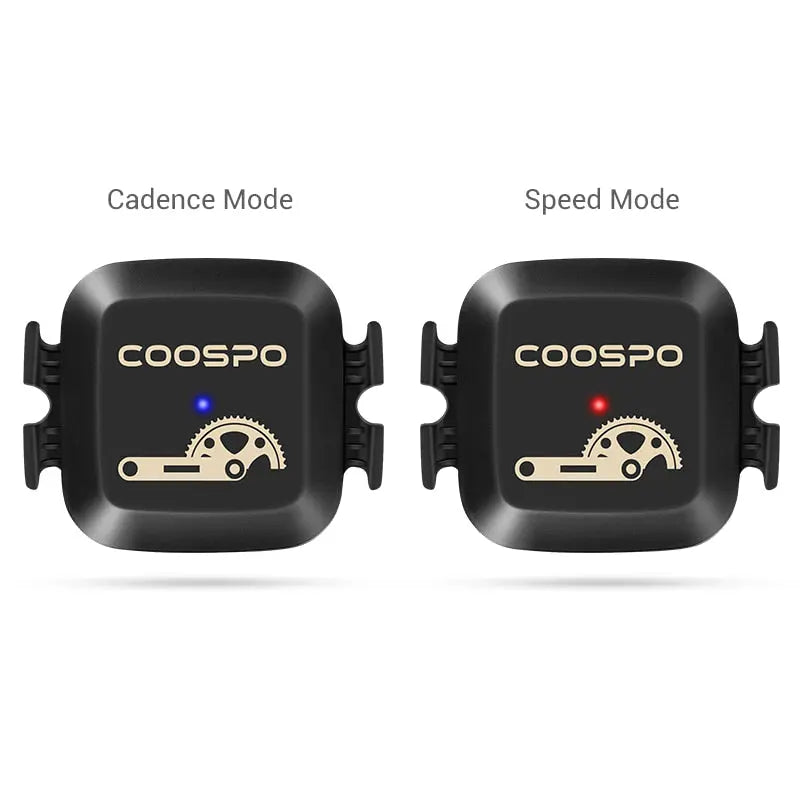
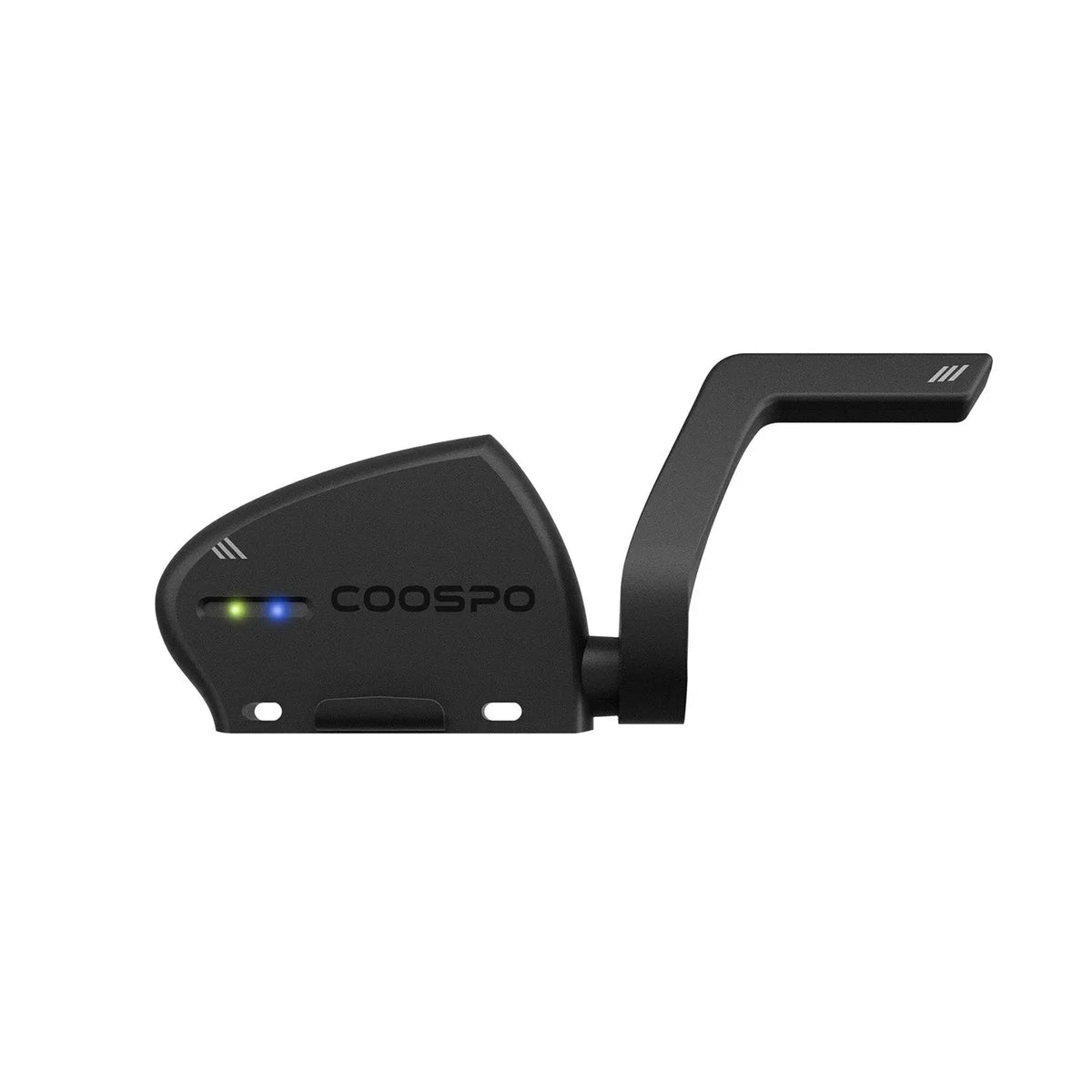
Cadence refers to the number of times a cyclist pedals per minute, measured in revolutions per minute (RPM). Tracking cadence with a bike computer and cadence sensor can help riders understand their pedaling habits and monitor changes as their fitness improves.
There is no single ideal cadence for every cyclist. It varies depending on fitness level and individual physical characteristics. Beginners often pedal at a lower cadence, which may increase as their cardiovascular fitness develops. Cadence data can also be used for training drills to improve leg speed, strength, and pedaling efficiency.
Rating of Perceived Exertion (RPE)
RPE measures how hard a ride feels on a scale of 1 to 10, with 1 representing very easy effort and 10 representing maximum effort. Breathing and muscle fatigue can help cyclists judge their intensity without using any special equipment.
RPE is a simple way to monitor effort, understand personal limits, and track fitness improvements over time. However, perceived effort alone may not tell the whole story. Combining it with metrics such as heart rate and power provides a more complete picture of training intensity and performance.
Heart Rate
Heart rate, measured in beats per minute (BPM), shows how hard the body is working during a ride. As exercise intensity increases, heart rate generally rises. A heart rate monitor paired with a compatible bike computer or watch can help cyclists track this data in real time.
Knowing your maximum heart rate (MHR) makes it possible to set personalized training zones and manage workout intensity. Tracking heart rate over time can also help monitor fitness improvements, fatigue, and recovery. As fitness improves, cyclists may be able to maintain the same speed or power at a lower heart rate.

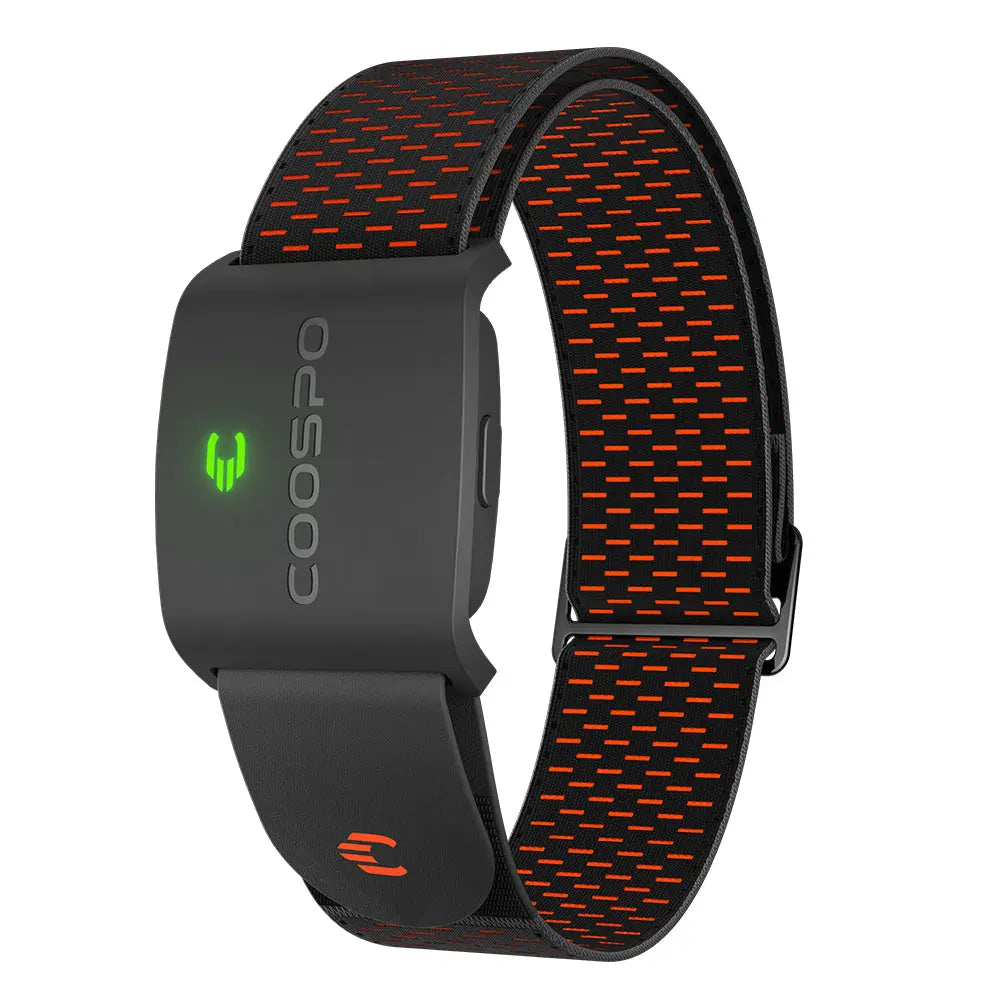
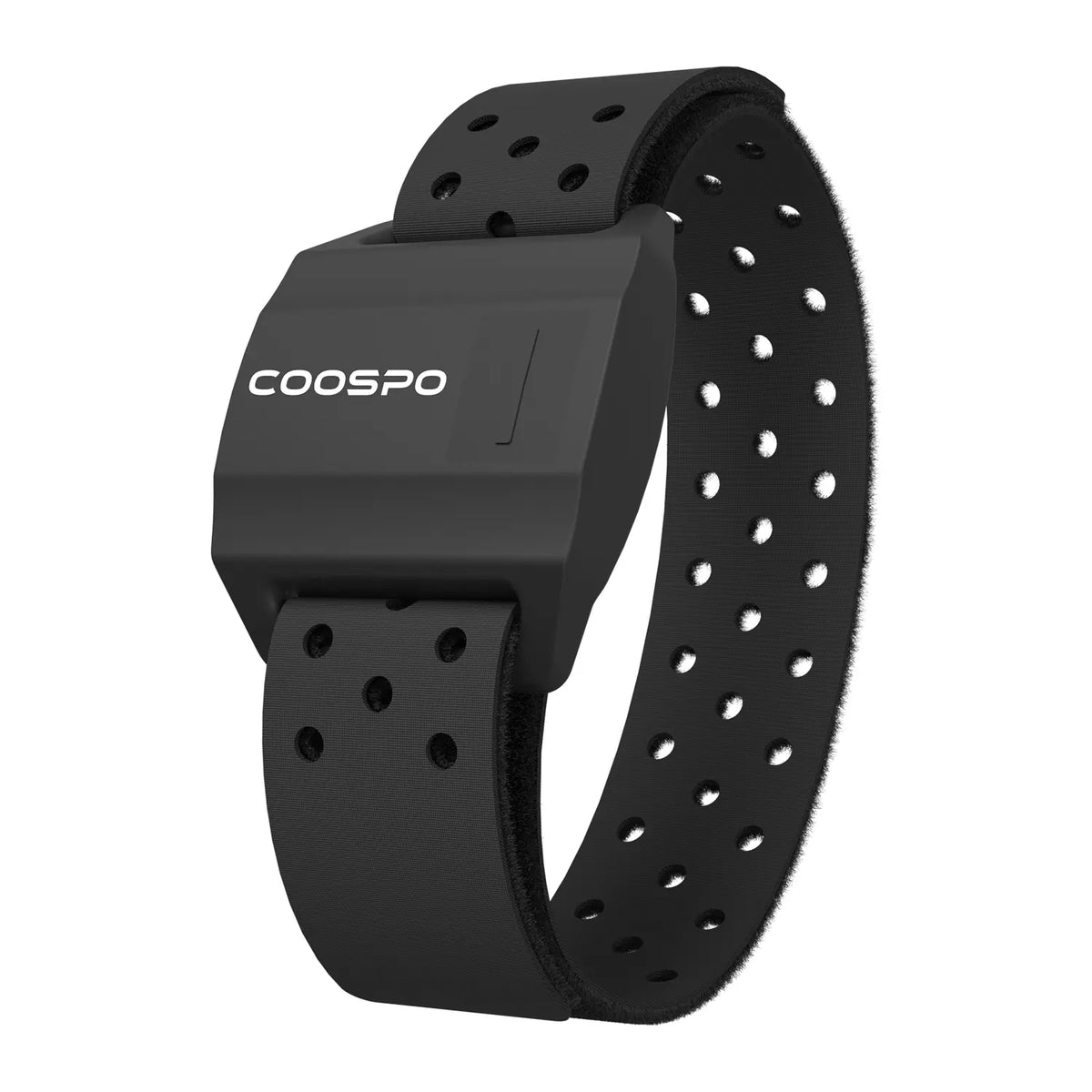
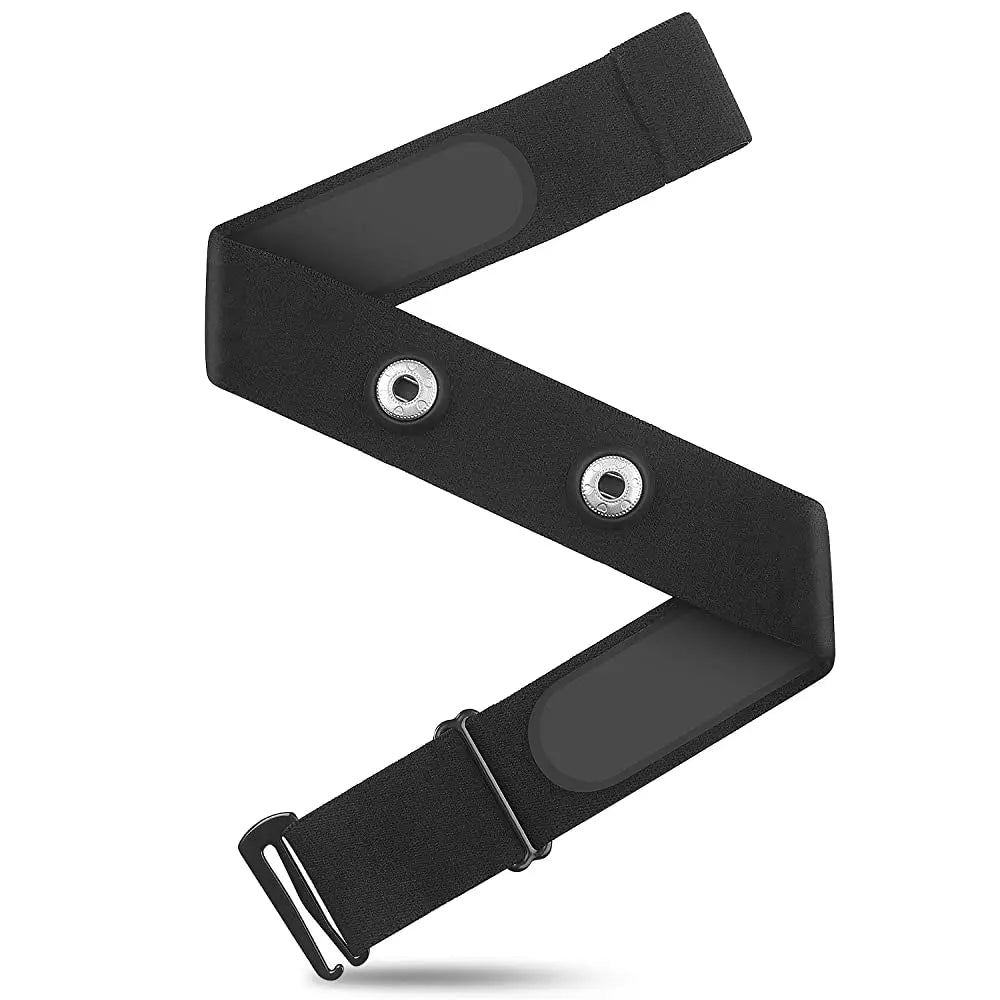
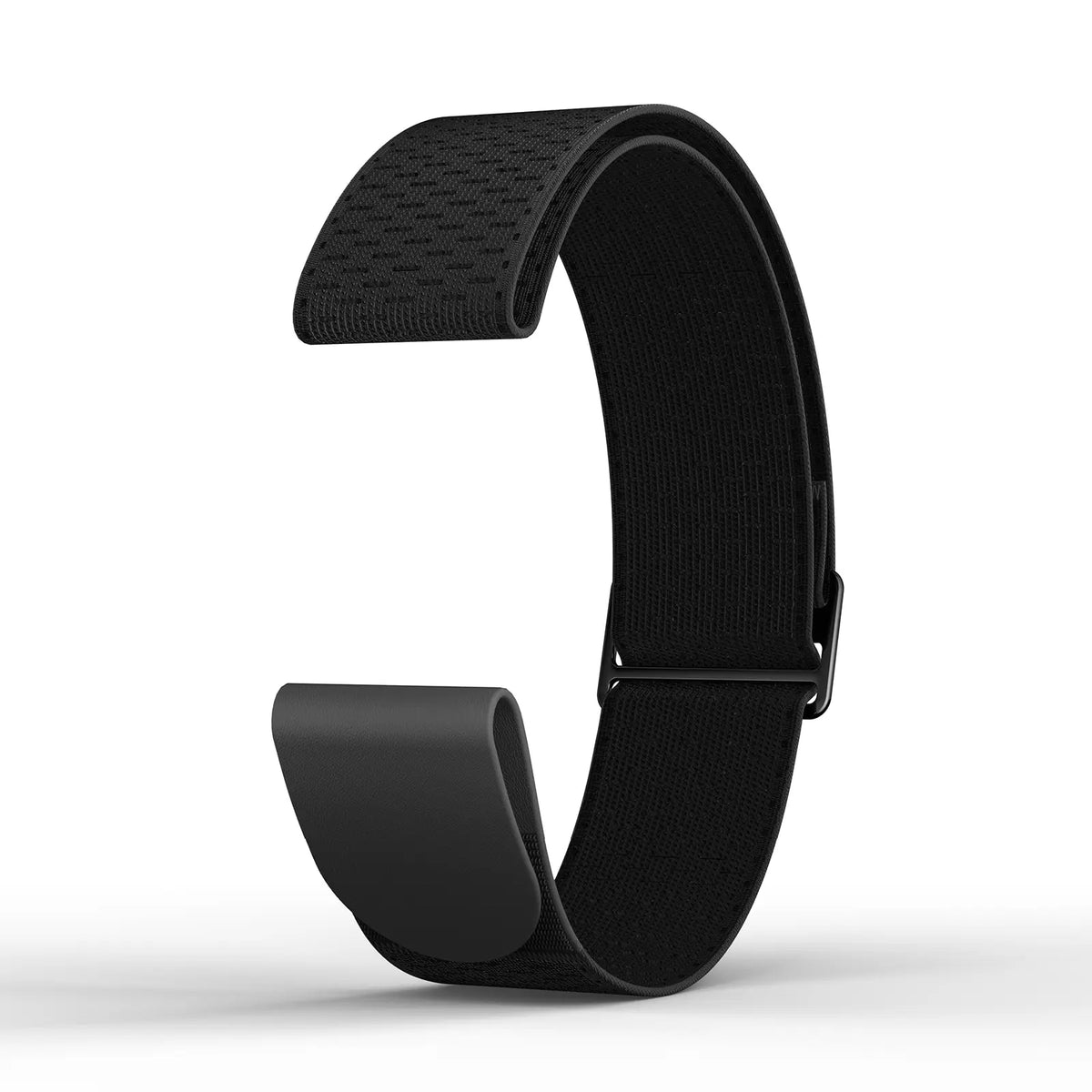
To monitor heart rate during cycling, the COOSPO HW9 Heart Rate Monitor provides real-time heart rate data and supports both Bluetooth and ANT+ connectivity. It can connect to compatible bike computers and cycling apps, allowing riders to track their heart rate, monitor training intensity, and better understand their performance.
Power (Watts)
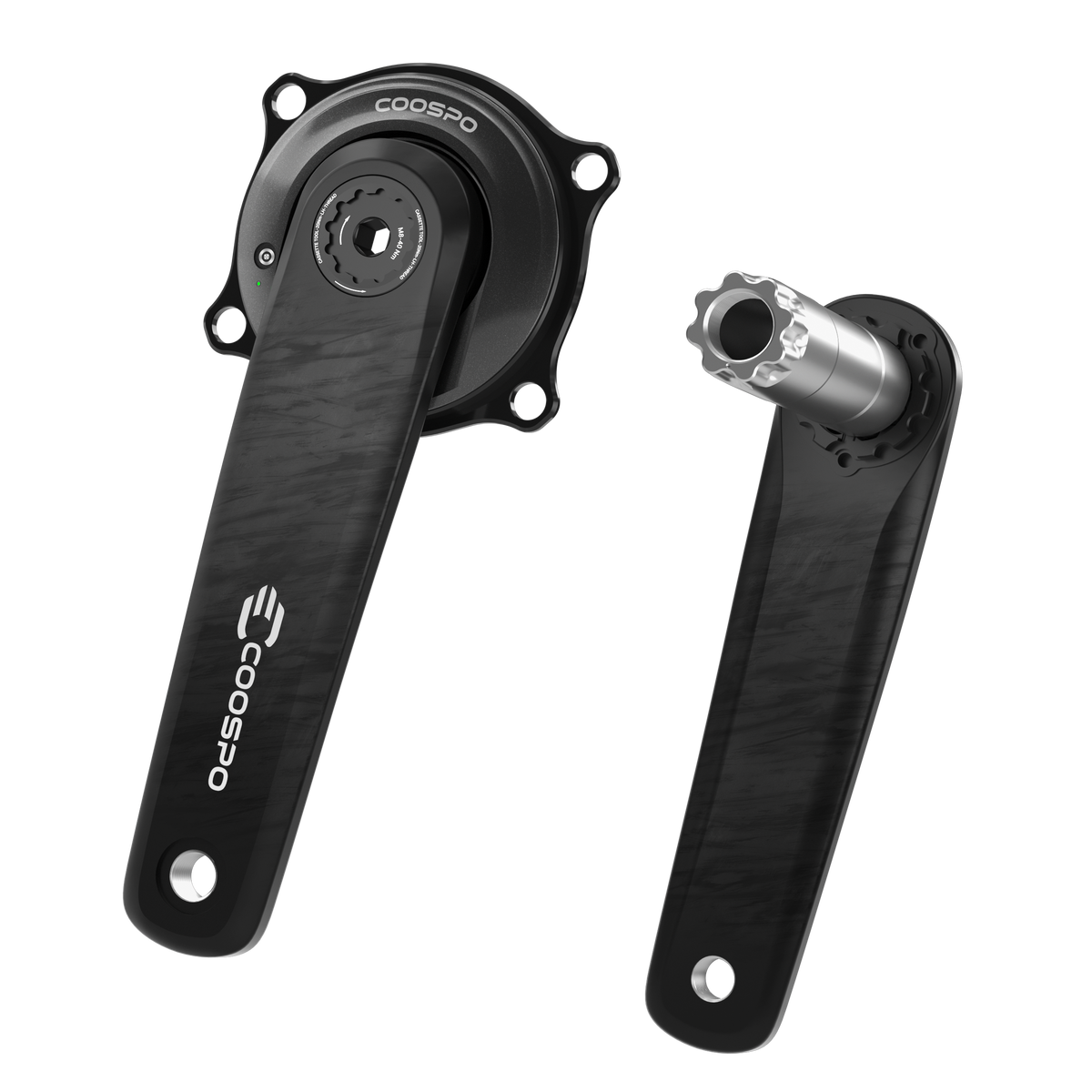
Power measures the effort a cyclist produces while riding, expressed in watts. A power meter provides real-time data, making it one of the most reliable ways to measure performance and control training intensity.
A key metric in power-based training is Functional Threshold Power (FTP), which represents the maximum average power a cyclist can sustain for about an hour. Tracking power helps cyclists set specific training targets, monitor progress, and adjust effort during workouts. Combining power data with heart rate provides a more complete picture of performance and fatigue.

For cyclists who want to continue power-based training indoors, the COOSPO T10 Smart Trainer offers a convenient way to train at home. It supports power measurement and ERG mode, allowing riders to follow structured workouts and maintain specific power targets. With ANT+ and Bluetooth connectivity, it is also compatible with popular indoor cycling platforms such as Zwift.
Heart Rate Variability (HRV)
Heart Rate Variability (HRV) measures the variation in time between heartbeats and is commonly used to monitor recovery and training readiness. It is usually measured in the morning or tracked overnight with a wearable device.
HRV is highly individual, so it is more useful to compare readings with your own baseline than with other people's scores. Consistently lower readings may indicate fatigue, stress, or insufficient recovery, while higher readings may suggest better recovery. Tracking HRV trends over several days, alongside sleep, resting heart rate, and training load, can help cyclists decide when to train hard and when to rest.


Hinterlassen Sie einen Kommentar
Diese Website ist durch hCaptcha geschützt und es gelten die allgemeinen Geschäftsbedingungen und Datenschutzbestimmungen von hCaptcha.