


















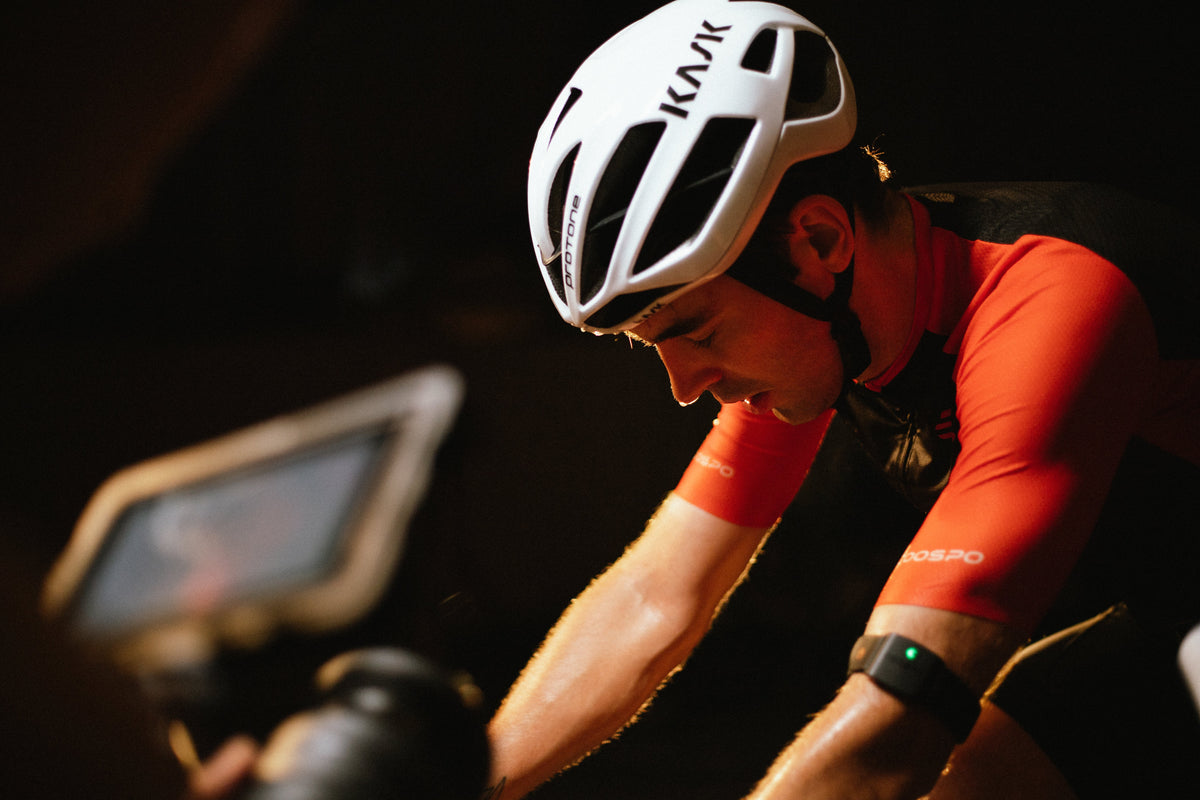
Even if you’re not familiar with power or heart rate zones, you’ve probably heard that most of your cycling should be done at a pace where you can still hold a conversation. This is known as Zone 2 training, and it offers several benefits for fitness and performance.

Also called the aerobic zone or conversational pace, Zone 2 training can be tricky to get right. This guide explains what it is, why it matters, how it improves cycling performance, and how to make the most of it.
The Benefits of Zone 2 Training
Zone 2 training has attracted growing attention for its benefits to health and athletic performance. It has been studied for decades, including its role in supporting people with diabetes and helping competitive cyclists improve their performance.
The science behind Zone 2 training starts with mitochondria, the structures in our cells that produce energy. Their ability to function efficiently is important for both overall health and endurance.

During exercise, the body produces lactate. At Zone 2 intensity, it can clear lactate at roughly the same rate it produces it. Training at this level may improve the body's ability to process lactate during harder efforts, helping cyclists sustain higher intensities.
Zone 2 training also encourages the body to use fat as an energy source rather than relying as heavily on glycogen. By supporting mitochondrial function, it can benefit both recreational riders and professional athletes.
Another important advantage is its potential impact on long-term health and longevity. Research has linked mitochondrial dysfunction to several health conditions, including certain cancers, type 2 diabetes, and other metabolic diseases. Although exercise alone cannot cure these conditions, studies suggest that structured Zone 2 training may improve health outcomes in some clinical populations.
For cyclists, the benefits extend beyond general fitness. Building a stronger aerobic foundation can also help riders climb more efficiently and perform better during demanding efforts.
Misconceptions About Zone 2 Training
Zone 2 training is often described as an easy, all-day pace where you can comfortably chat. In reality, the effort should feel moderate. You should still be able to hold a conversation, but talking should require some effort. If chatting feels effortless, you may be riding in Zone 1, which is mainly used for recovery.
Zone 2 pace also varies from person to person. For beginners, brisk walking may be enough to reach this intensity, while regular exercisers may need to work harder. The key is to focus on your own effort rather than copying someone else's pace.
Another common misconception is that Zone 2 training alone is enough to improve cycling performance. While it builds a strong aerobic foundation and helps the body use fat efficiently for energy, it doesn't replace high-intensity training.
When exercise intensity increases, the body relies more heavily on glucose for fuel. To perform well during races and challenging rides, cyclists also need interval training and harder efforts to prepare their bodies for these demands.
The takeaway: Zone 2 training is an important part of a balanced cycling plan, but combining it with higher-intensity workouts is essential for continued performance gains.
How to Find Your Zone 2 Pace
The most accurate way to identify Zone 2 is through a lactate test, which measures how well your body clears lactate during exercise. You can also estimate your target intensity using functional threshold power (FTP) or heart rate.
FTP and heart rate are useful starting points, but they don't always pinpoint Zone 2 perfectly. Pay attention to how the effort feels: you should be able to maintain the pace for several hours and hold a conversation, though talking shouldn't feel completely effortless.

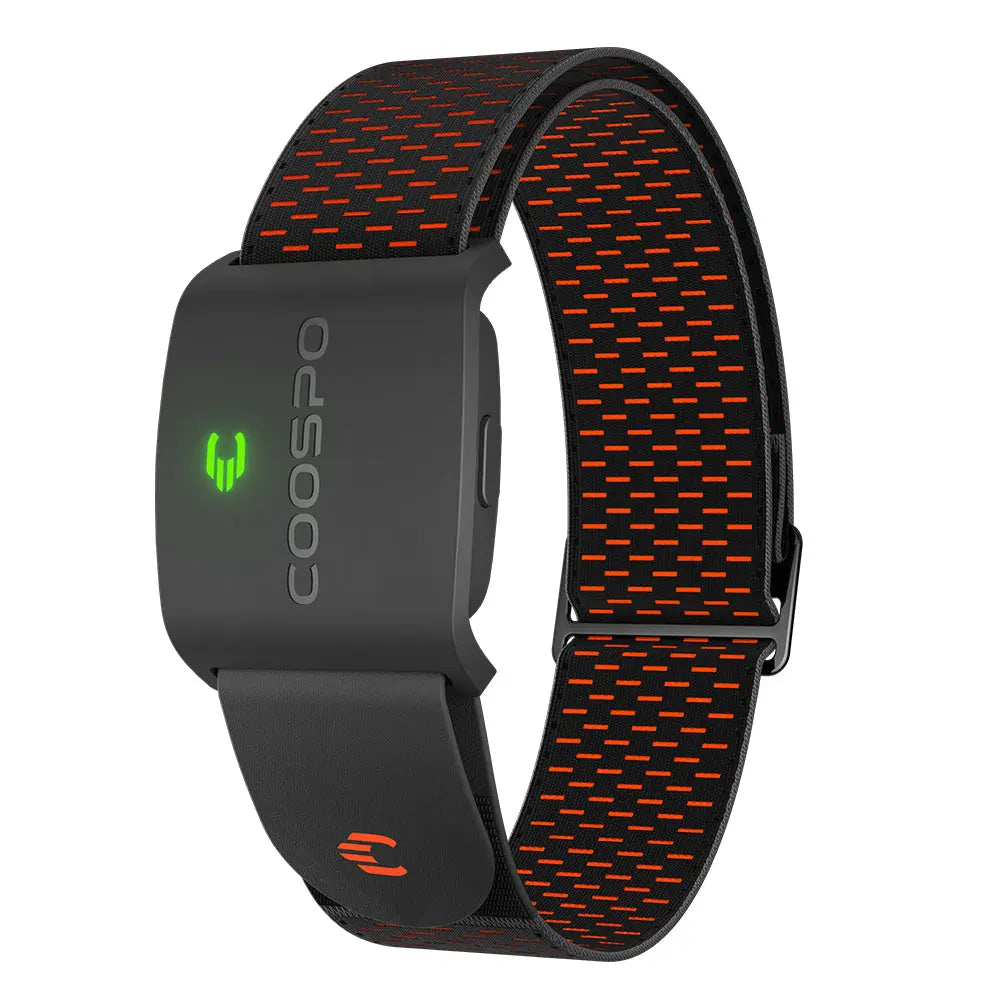
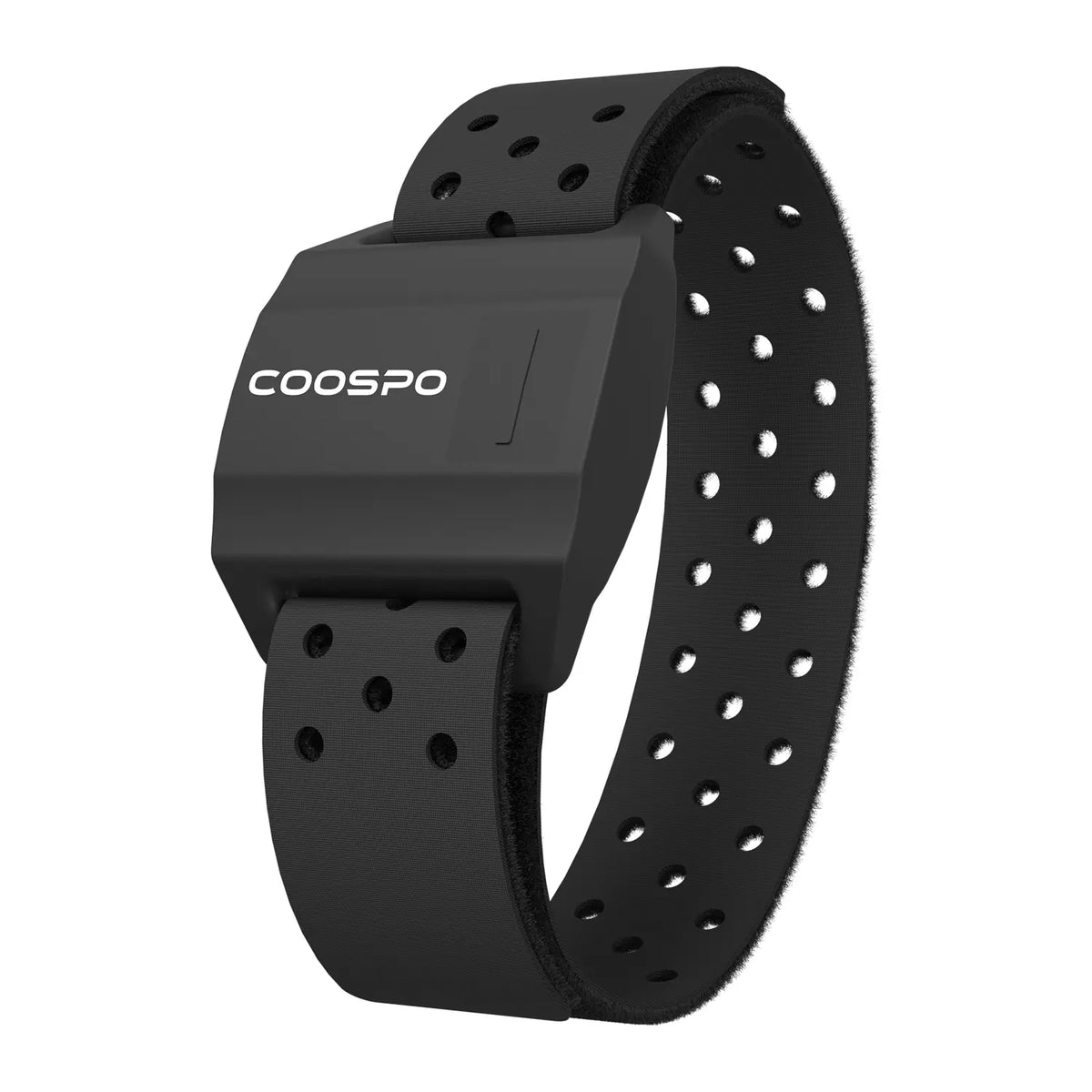
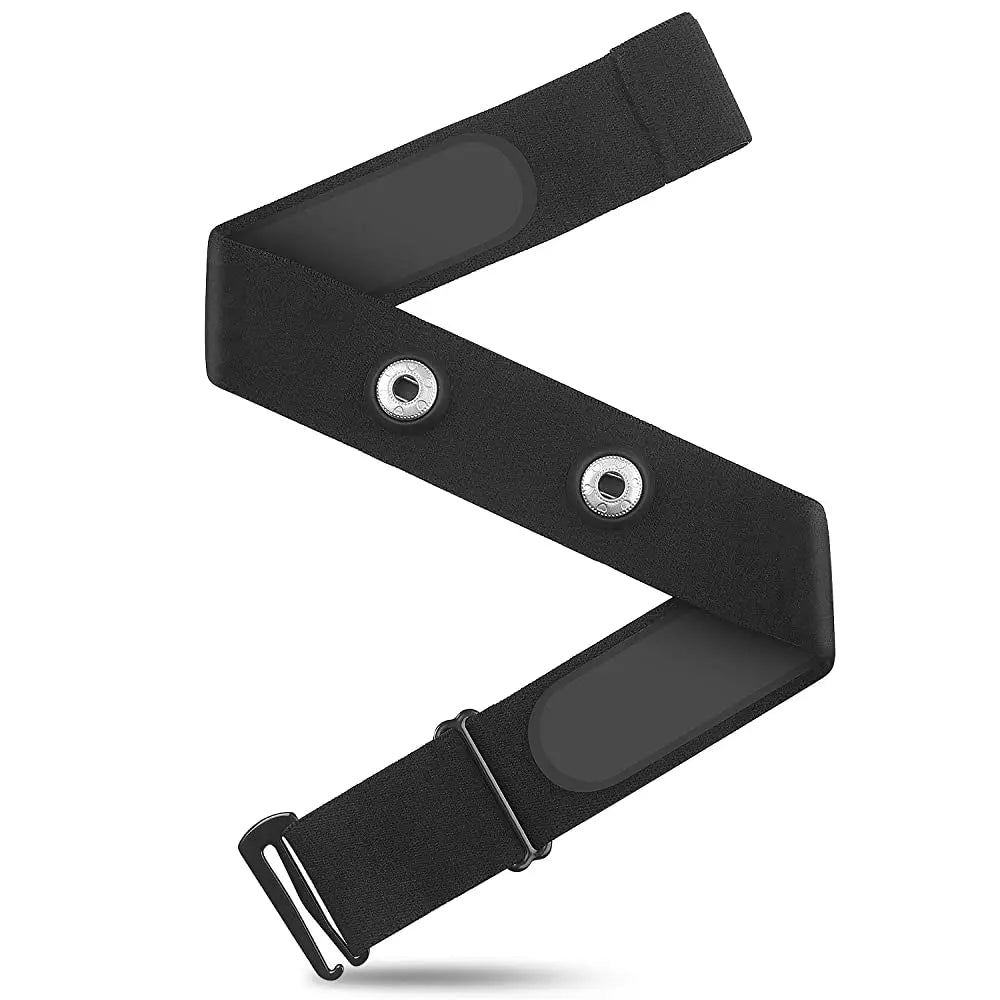
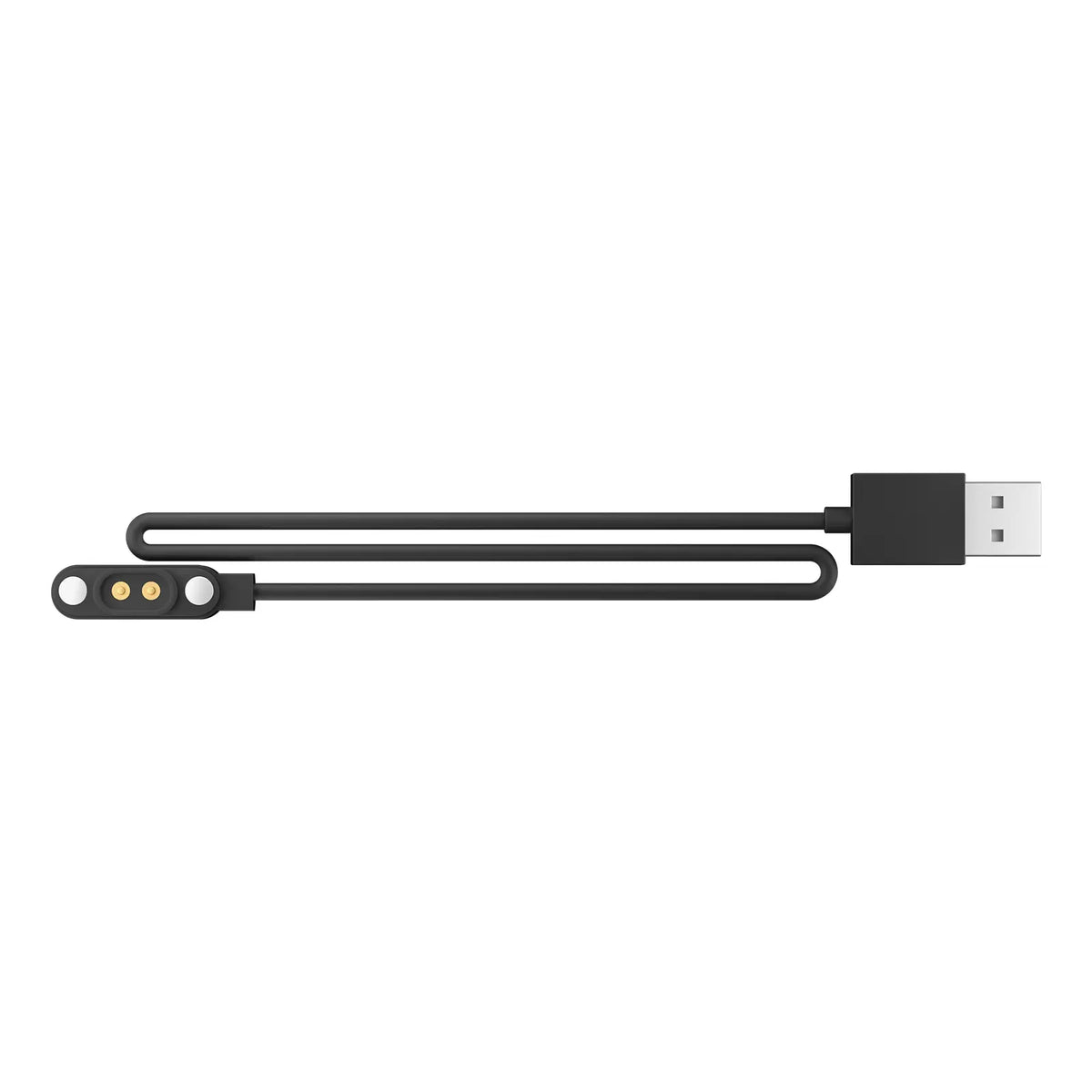
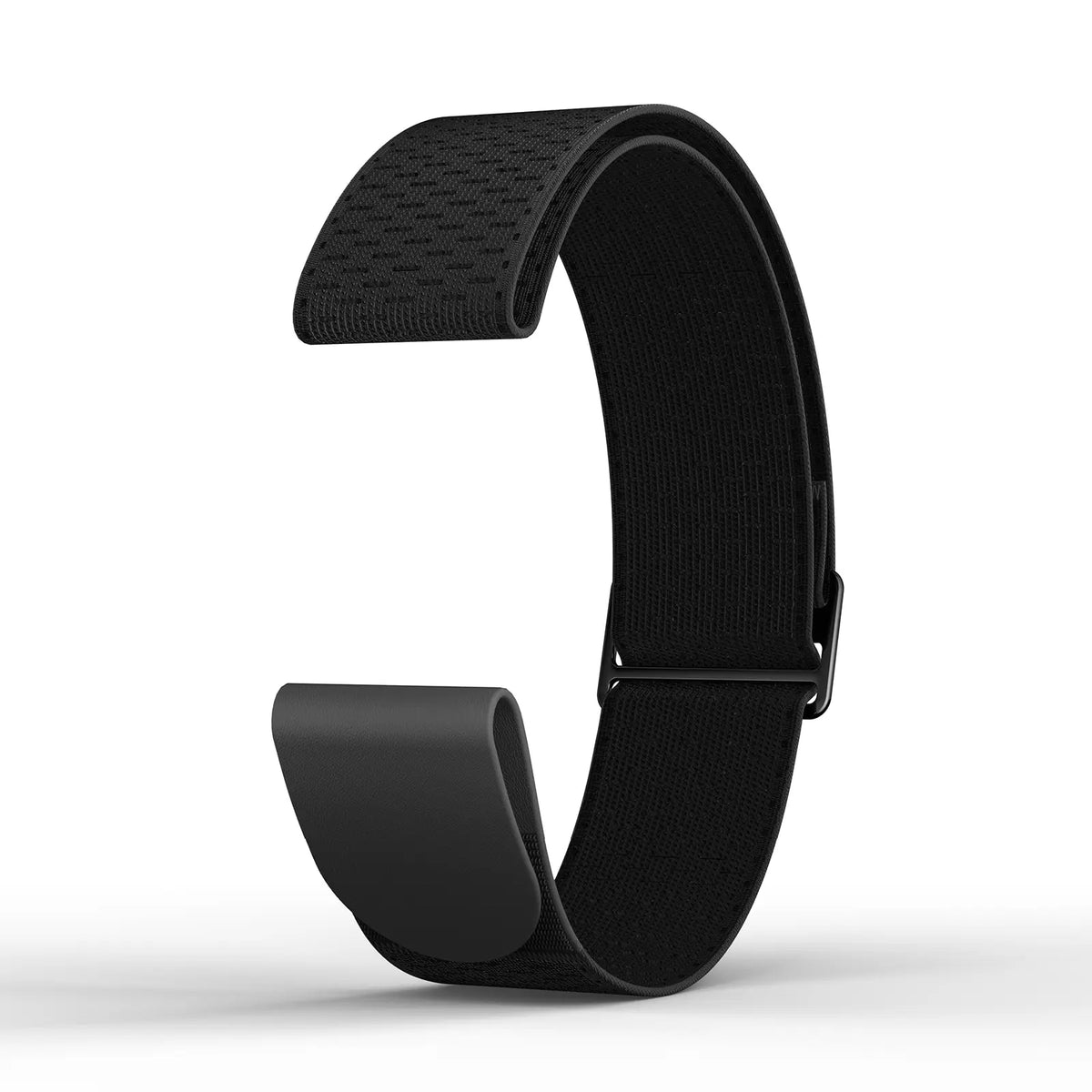
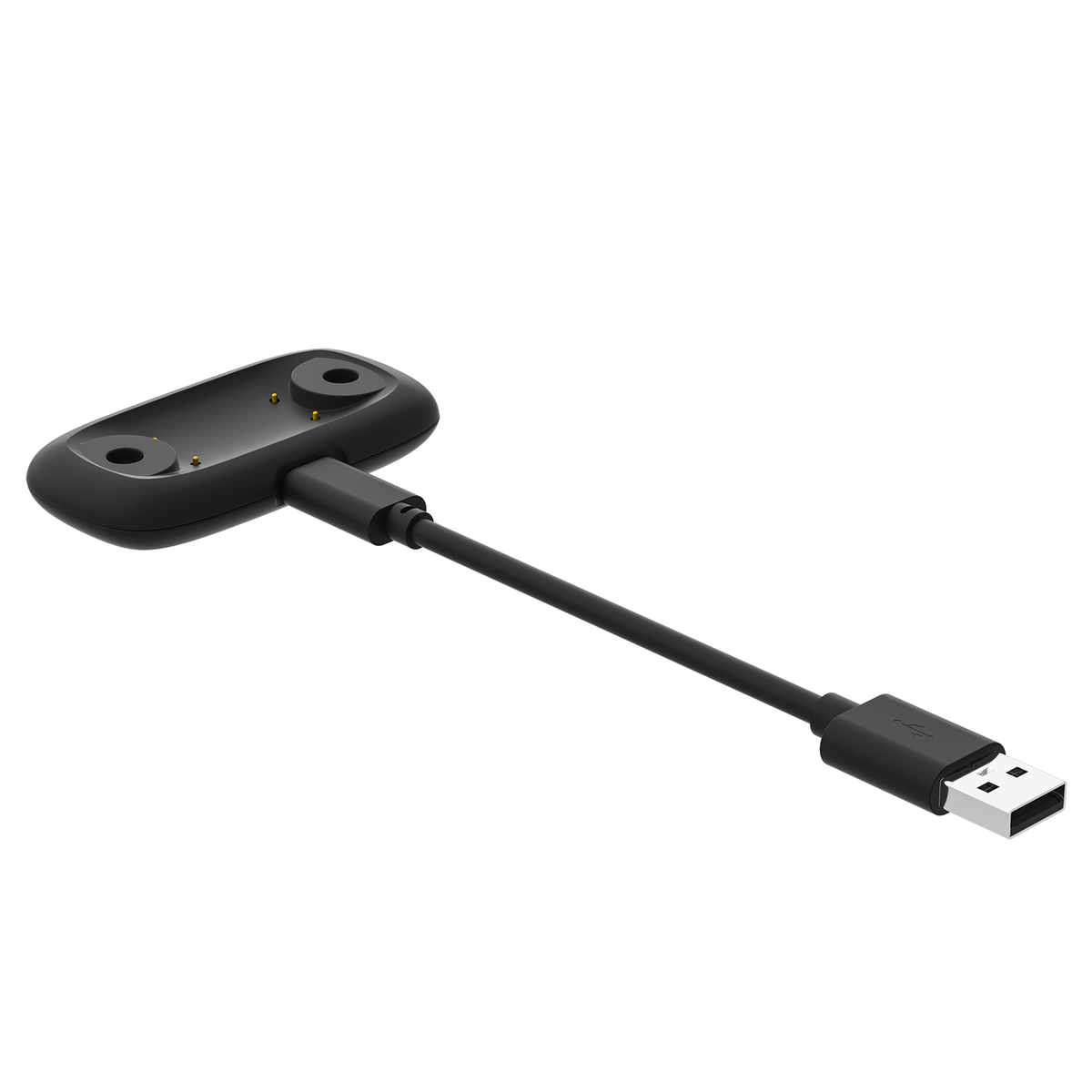
Heart rate monitoring can help you stay within your target training zone during Zone 2 rides. The COOSPO HW9 armband heart rate monitor provides real-time heart rate data and features five-color LED indicators to help you quickly check your heart rate zone. Its comfortable armband design makes it a practical option for cyclists who want to monitor their effort during longer rides.
By tracking your heart rate throughout a ride, you can better understand your effort level and make adjustments to maintain a steady aerobic pace.
Zone 2 should feel sustainable over long rides, provided you eat and drink enough. If the effort becomes harder as the ride continues, a lack of fuel or fluids may be part of the reason.
It's also important to distinguish Zone 2 from Zone 1 recovery rides. Zone 1 is very easy, with relaxed pedaling and minimal effort. Zone 2 requires more work while remaining steady and sustainable.
How to Find Your Zone 2 Pace
The most accurate way to identify Zone 2 is through a lactate test, which measures how well your body clears lactate during exercise. You can also estimate your target intensity using functional threshold power (FTP) or heart rate.
FTP and heart rate are useful starting points, but they don't always pinpoint Zone 2 perfectly. Pay attention to how the effort feels: you should be able to maintain the pace for several hours and hold a conversation, though talking shouldn't feel completely effortless.
Zone 2 should feel sustainable over long rides, provided you eat and drink enough. If the effort becomes harder as the ride continues, a lack of fuel or fluids may be part of the reason.
It's also important to distinguish Zone 2 from Zone 1 recovery rides. Zone 1 is very easy, with relaxed pedaling and minimal effort. Zone 2 requires more work while remaining steady and sustainable.
The Ideal Amount of Time to Spend Training in Zone 2
For many cyclists, training in Zone 2 three to four days a week is a good goal. Sessions don't always need to last several hours. Even a 90-minute ride can help improve mitochondrial function and aerobic fitness. Riders preparing for longer races can gradually increase their training volume to build endurance.
A balanced training plan often follows an 80/20 approach: around 80% of training time is spent at lower intensities, including Zone 2, while the remaining 20% focuses on harder intervals and recovery. The specific workouts can vary depending on your cycling goals, whether you're training for road racing, criteriums, or gravel events.
During outdoor rides, don't worry if your effort briefly moves outside Zone 2 on hills or descents. Shift into an easier gear when climbing and aim to keep your effort steady. You don't need to stay perfectly within the zone every second to get meaningful benefits.
Track Your Zone 2 Training with COOSPO
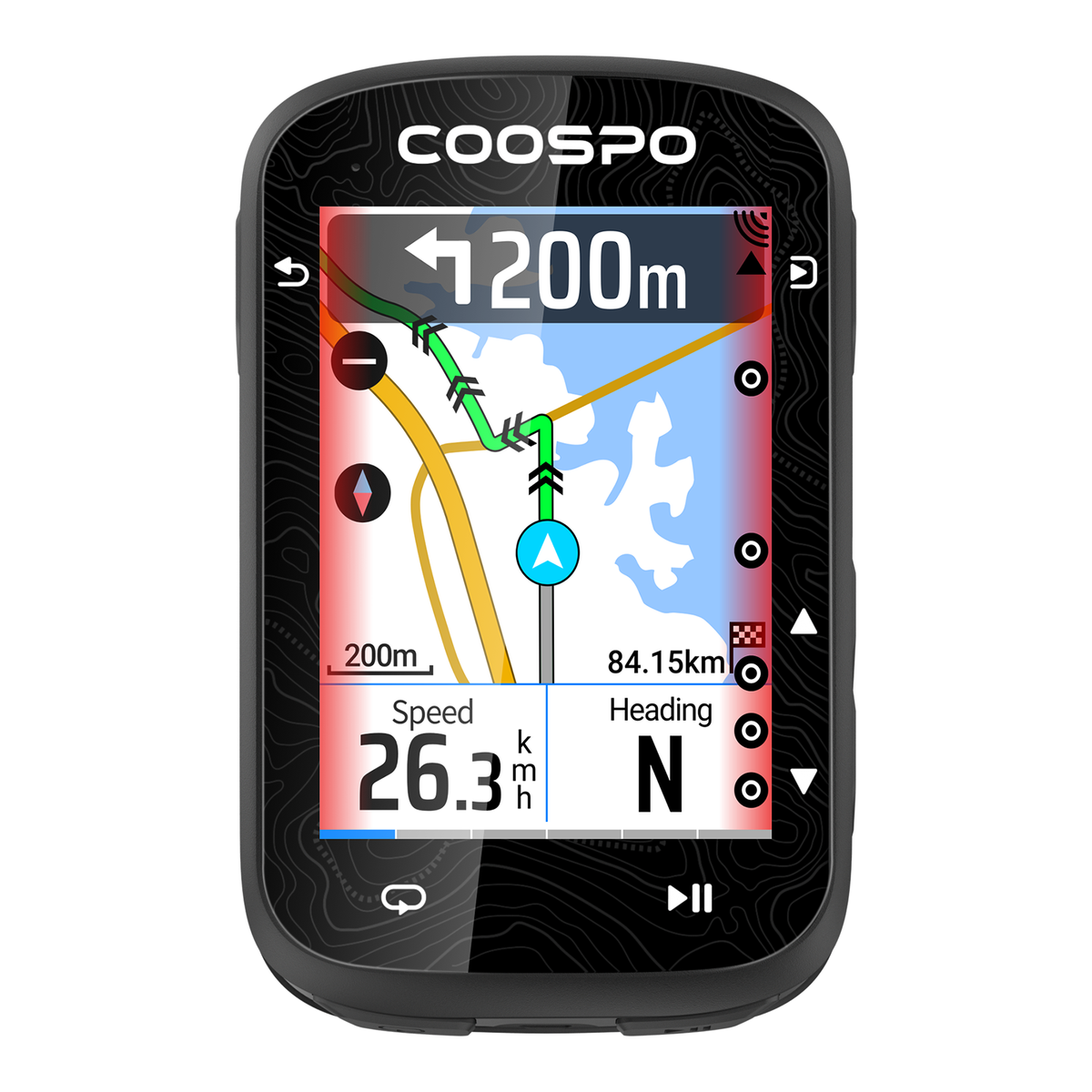
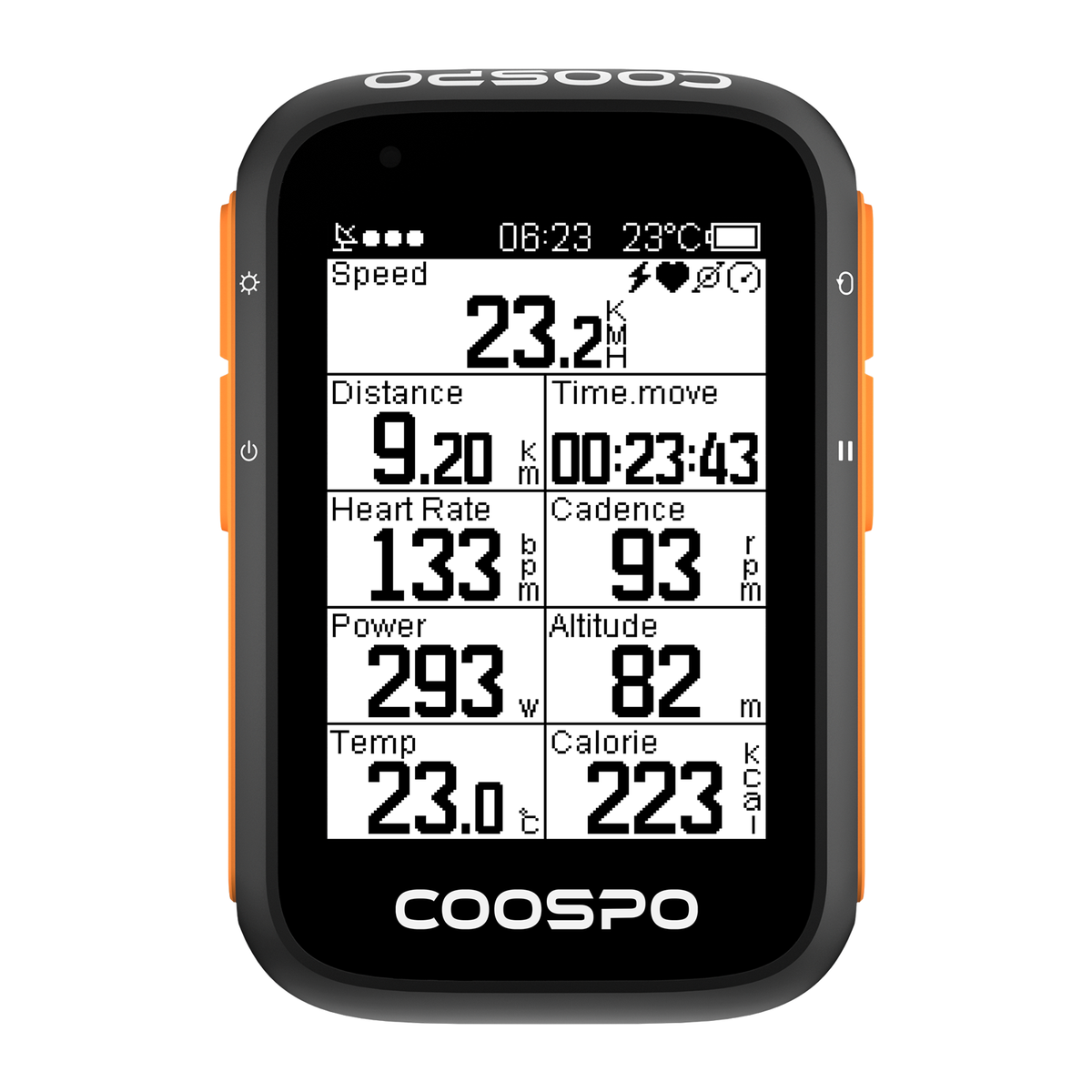
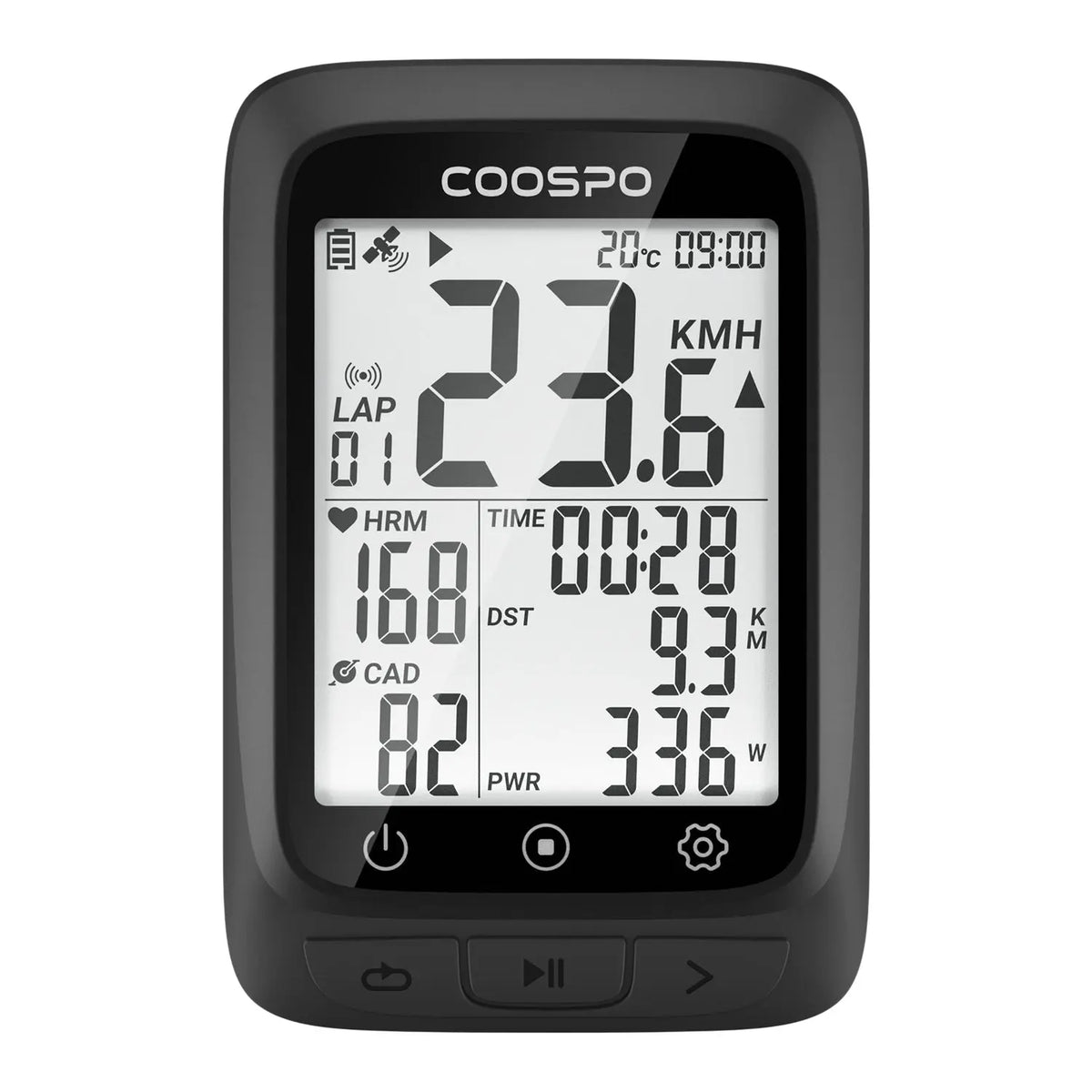
Consistency is key to improving aerobic fitness. The COOSPO CS600 GPS bike computer and HW9 armband heart rate monitor can help you keep track of your training and stay focused on your goals. The HW9 provides real-time heart rate data, while the CS600 displays key cycling metrics when paired with compatible sensors. Together, they make it easier to monitor your effort during Zone 2 rides and track your progress over time.

Whether you're building endurance for longer rides or working toward your next cycling goal, having the right tools can help you make every training session count.
When to Expect to See Results from Zone 2 Training
Zone 2 training takes time to deliver noticeable results. With consistent training, you may begin to see improvements after a couple of months. More significant gains often develop over a year, especially when Zone 2 rides are combined with occasional intervals and high-intensity workouts.
The key is consistency and patience. Building aerobic fitness is a gradual process, but sticking with your training plan can lead to lasting improvements in endurance and cycling performance.


Leave a comment
This site is protected by hCaptcha and the hCaptcha Privacy Policy and Terms of Service apply.