



















1. Not Drinking Enough
Staying hydrated is just as important during indoor cycling as it is when riding outdoors. In fact, indoor training can lead to significant fluid loss, especially during intense sessions.
Fans help keep you cool, but they can also make it harder to notice how much you're sweating. It's easy to underestimate your fluid needs when training at home.

Don't wait until your workout ends to drink water. Keep a bottle nearby and take small, regular sips throughout your ride. Aim for around 500 ml per hour, adjusting your intake based on workout intensity and how much you sweat.
2. Not Having Enough Ventilation
Good ventilation is essential for indoor cycling. Without enough airflow, your body can overheat, making it harder to maintain performance and complete your workout comfortably.
A fan can make a big difference. If possible, use two fans to direct airflow towards your head, chest, and legs. This helps your body stay cool and manage heat during intense sessions.
Training without a fan may make your workout feel harder, but it can also reduce your performance and increase fluid loss. If you choose to do so, pay extra attention to hydration and avoid overheating.
3. Not Following a Training Plan
It's easy to spend time riding indoors without having a clear training goal. For example, staying in Zone 3 for too long may not provide the same benefits as focused Zone 2 endurance training or higher-intensity intervals around your FTP.
To make the most of your indoor cycling sessions, follow a structured workout or training plan. This helps you train with a clear purpose, improve specific aspects of your fitness, and avoid wasting time on unstructured rides.

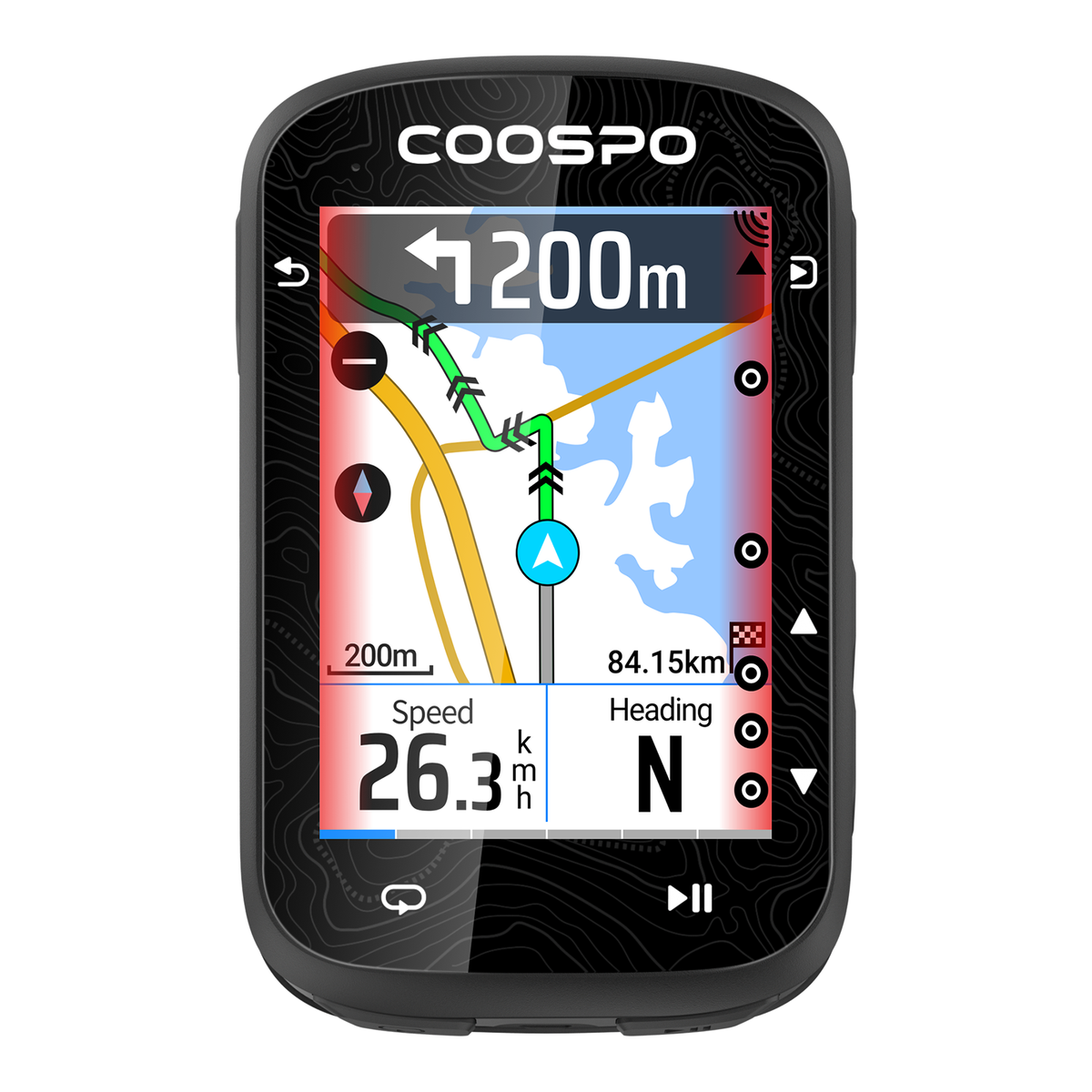
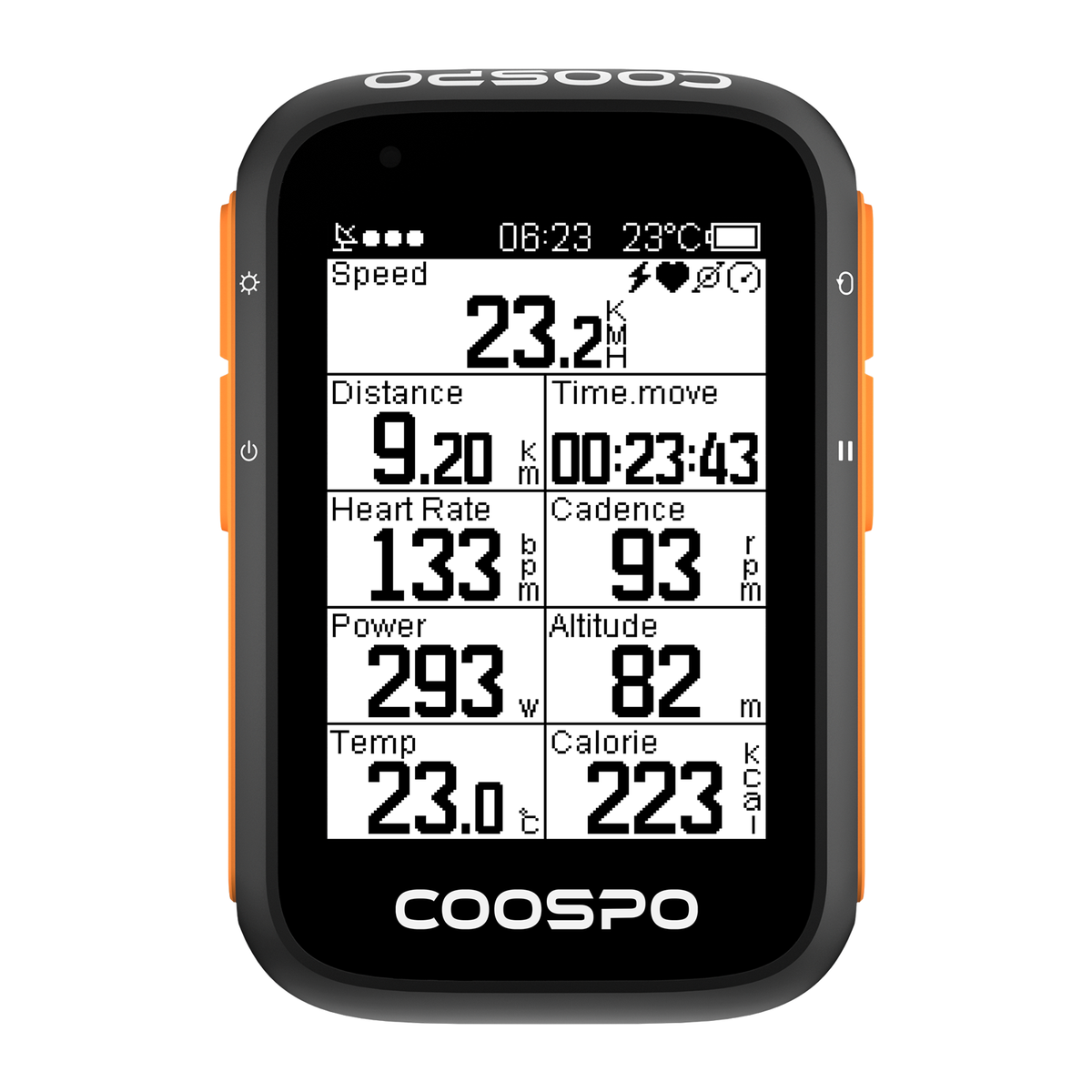
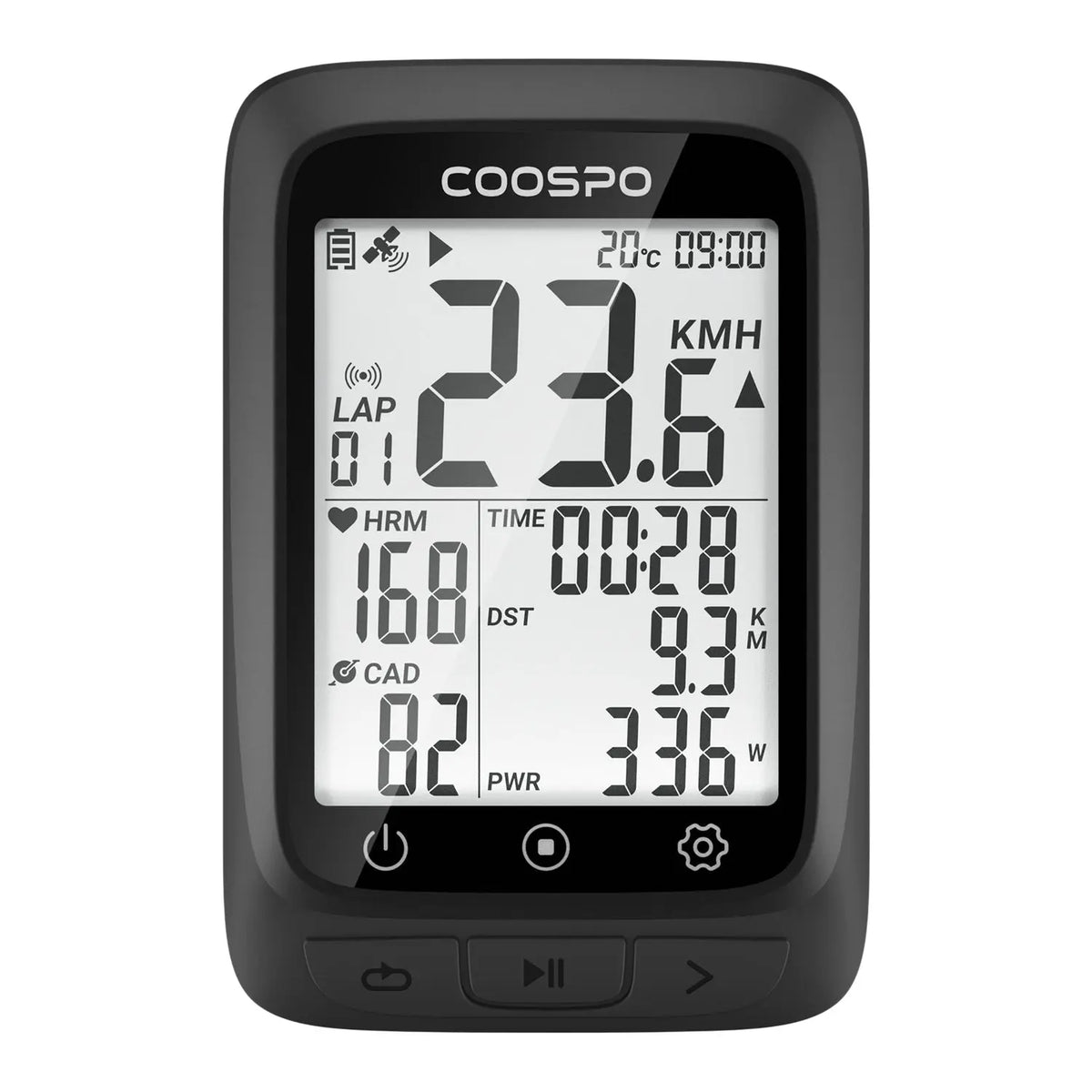
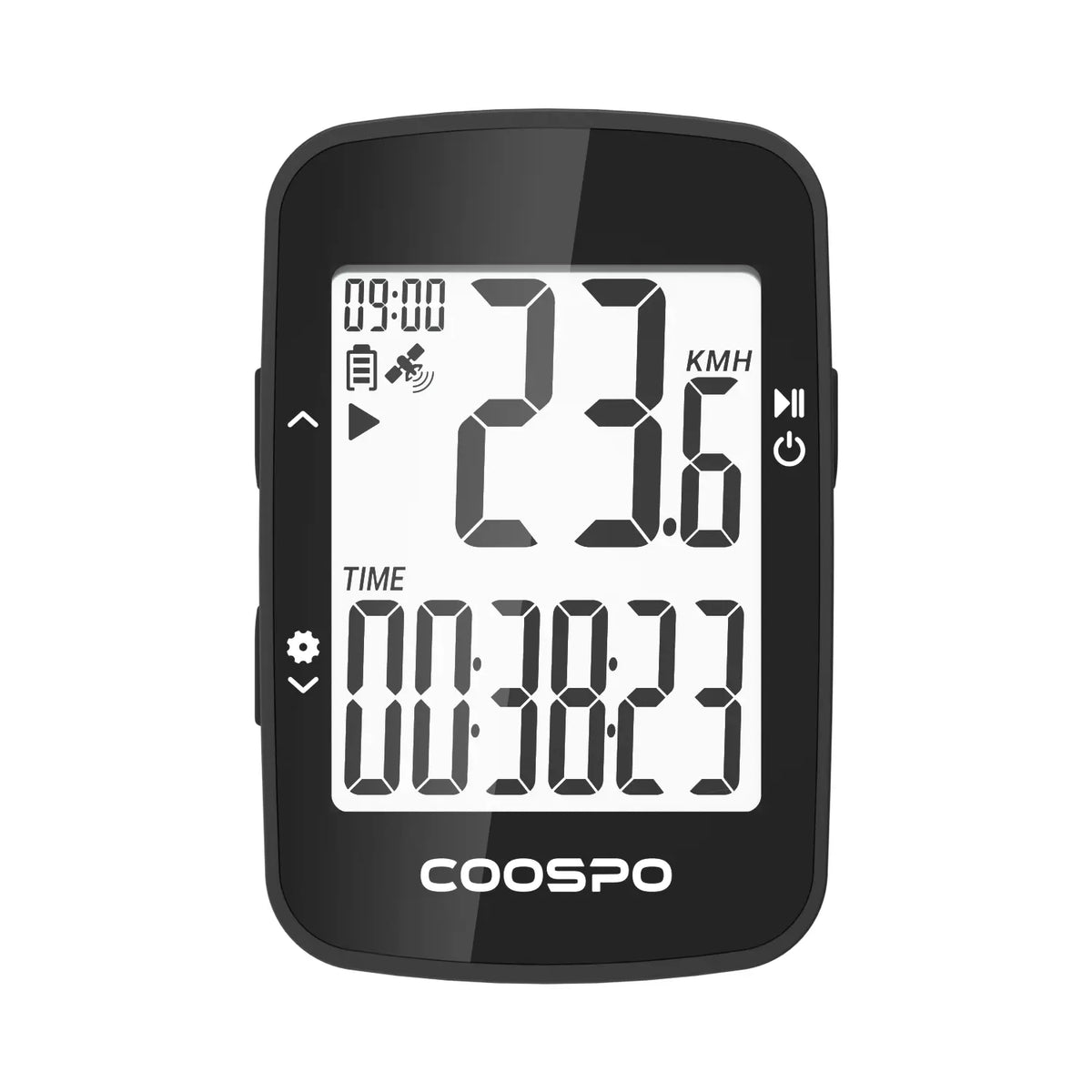
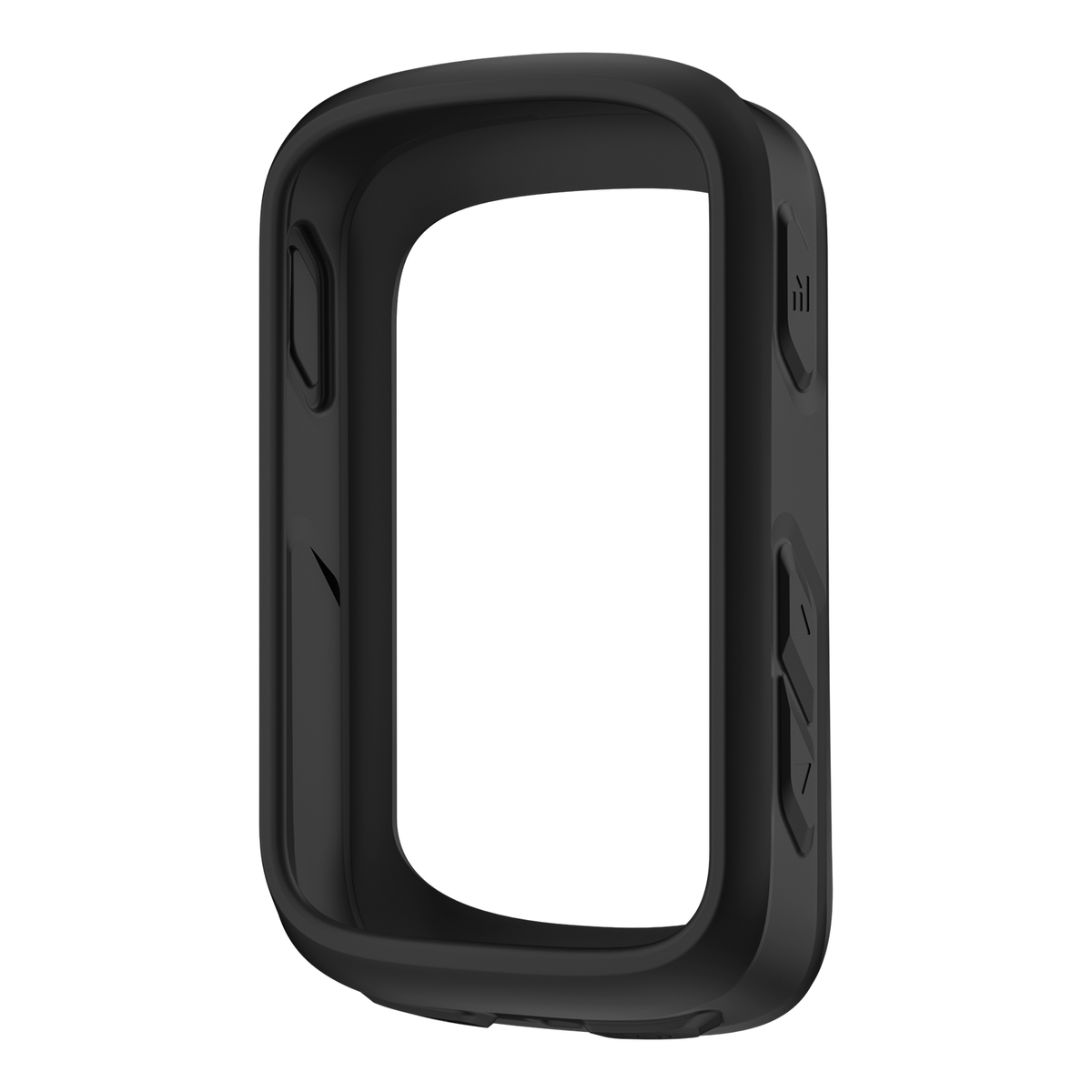
Setting goals is easier when you can track your progress. The COOSPO CS600 GPS bike computer records important cycling data, including speed, distance, and ride time. It also supports connections with compatible sensors and power meters, allowing you to review more training data and better understand your performance over time.
4. Training on an Empty Stomach
Starting an indoor cycling session without enough fuel can leave you feeling tired and make it harder to maintain your performance. Having a light snack before training can help you feel more energized and get more out of your workout.
Fasted training can have a place in certain training plans, but it's not necessary for most everyday cyclists. Before experimenting with it, focus on building consistent training habits and getting your nutrition and recovery right.
5. Sitting Upright and Not Engaging Your Core
Sitting upright during indoor cycling is fine when you need to catch your breath or stretch. However, staying upright throughout the entire workout means you may miss the chance to engage your core muscles.
Your core plays an important role in maintaining stability and supporting power output while cycling. Try to spend most of your training time in your normal riding position. This also helps maintain flexibility and makes it easier to transition back to outdoor riding.
6. Not Using a Towel to Protect Your Bike
Sweat can damage your bike over time, especially metal parts around the handlebars and headset. Without proper protection, sweat can build up and cause corrosion, leaving behind stubborn salt deposits.
Place a towel over your handlebars and frame before each indoor cycling session to catch sweat and protect your bike. It's a simple habit that can help prevent damage and keep your bike in better condition.
7. Not Updating Your FTP
Your fitness level changes over time, so your FTP (Functional Threshold Power) should be updated regularly in your indoor training software.
If your FTP is set too high, your workouts may become unnecessarily difficult, causing you to struggle to maintain your target power. If it's too low, your sessions may not challenge you enough to improve.
Keep your FTP in line with your current fitness level to ensure your training zones and workout intensity are accurate. This helps you train effectively without pushing too hard or making your sessions too easy.

The COOSPO T10 smart trainer makes indoor cycling sessions more structured and convenient. It supports ERG mode, which automatically adjusts resistance according to your workout targets. You can also connect it to popular training apps such as Zwift, making it easier to follow planned workouts, control your training intensity, and work towards your fitness goals.
8. Skipping Warm-Ups and Cool-Downs
Indoor cycling sessions may be short, but warming up and cooling down are still important. A proper warm-up prepares your muscles for exercise and helps you ease into higher-intensity efforts.
After your workout, spend 5–10 minutes pedaling at a gentle pace. This allows your heart rate to gradually return to normal, helps your body transition into recovery, and reduces post-workout discomfort. Don't skip these steps, even when you're short on time.

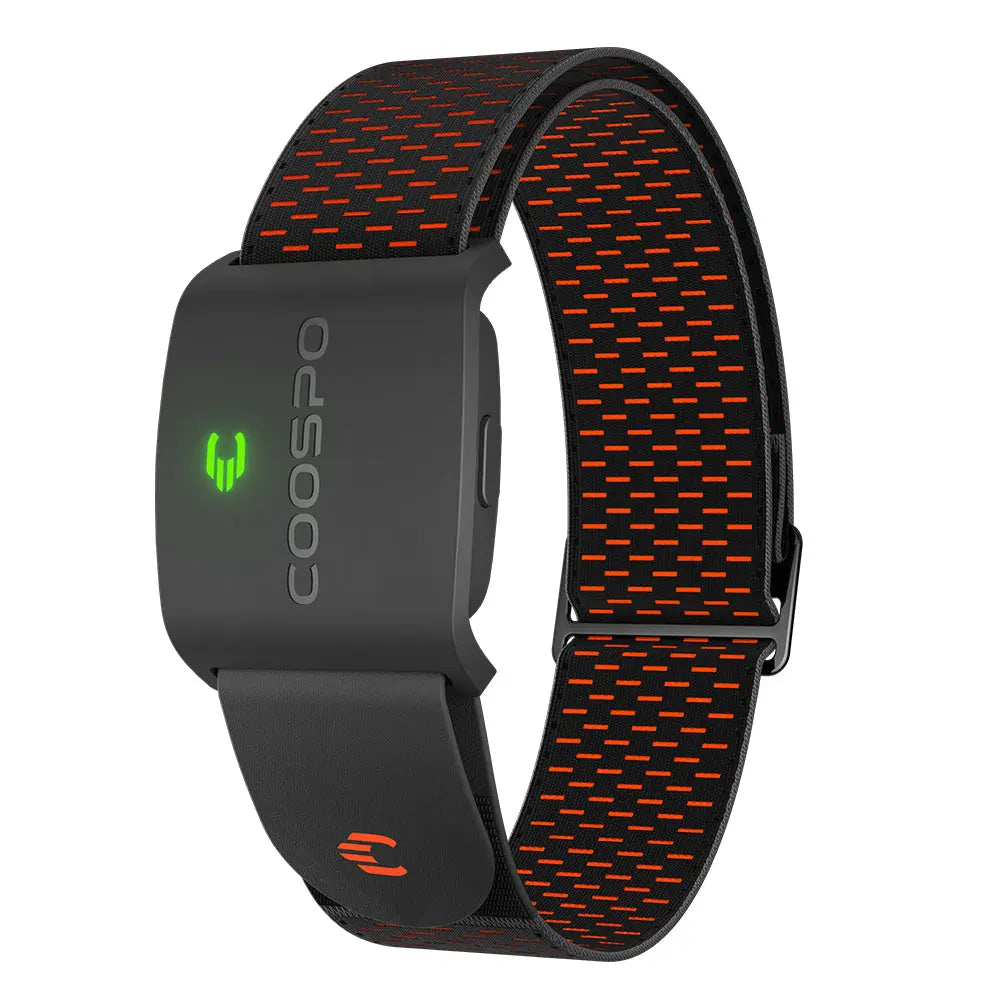
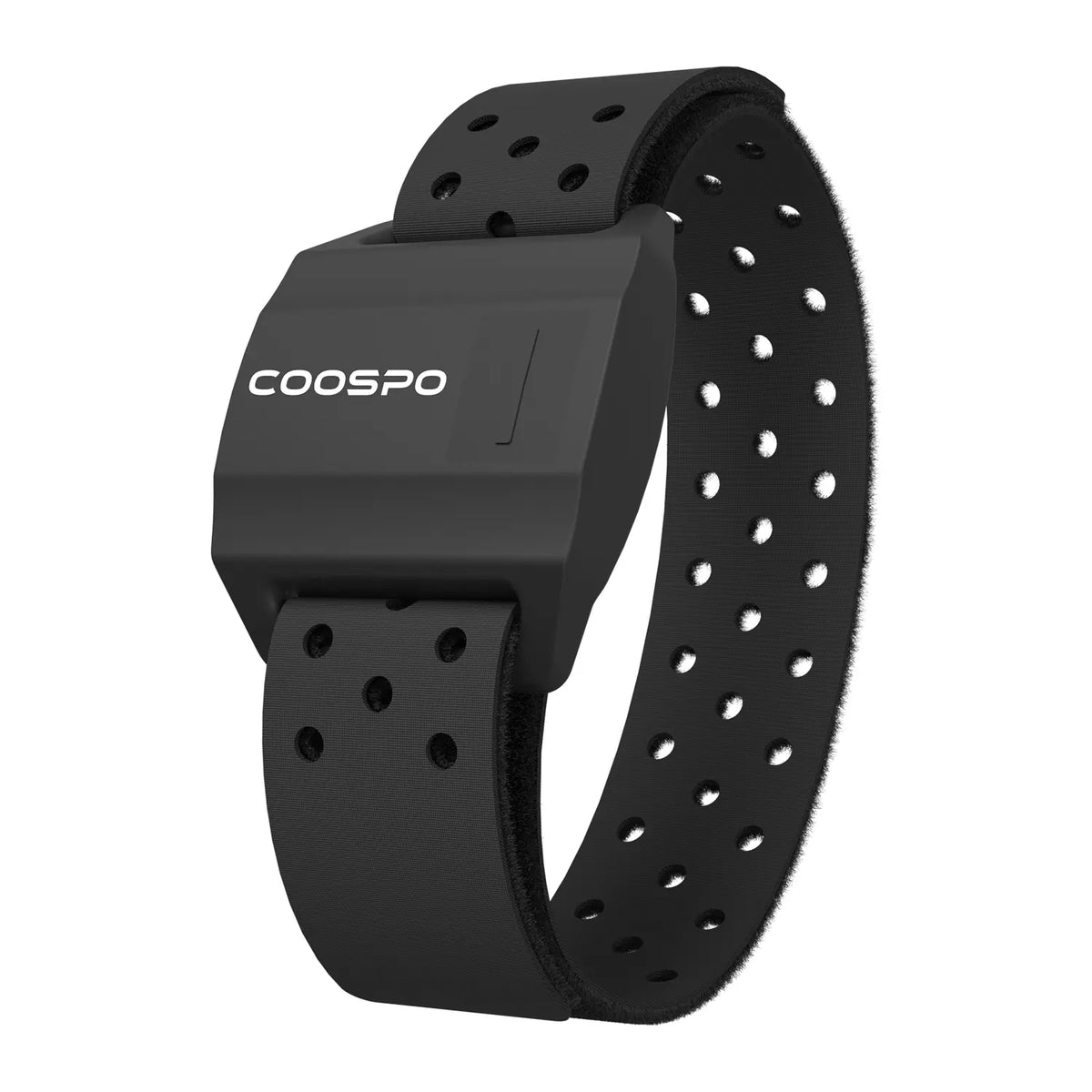
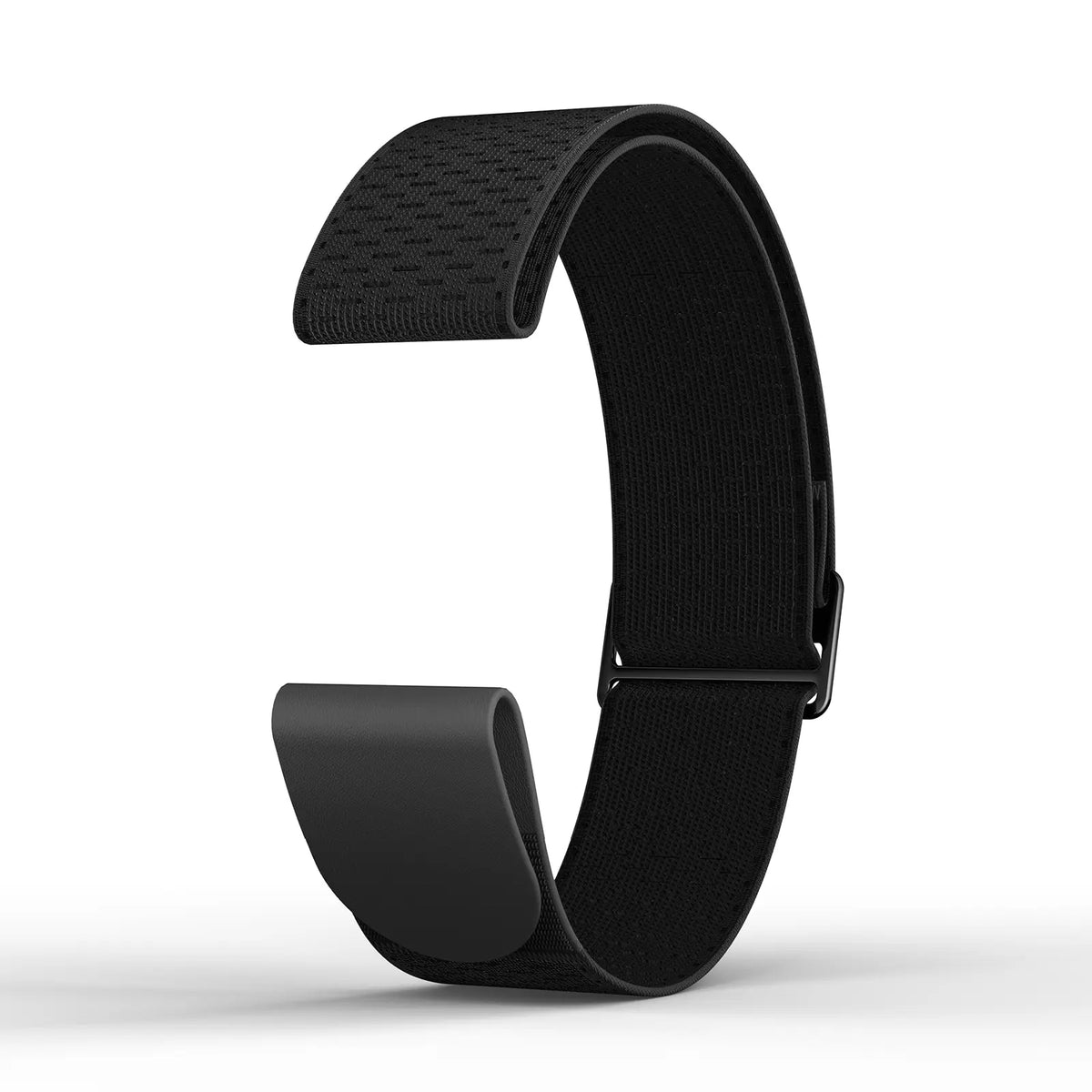
Monitoring your heart rate can help you better understand your training intensity. The COOSPO HW9 is an optical heart rate armband that provides real-time heart rate data during workouts. With Bluetooth and ANT+ connectivity, it can pair with compatible bike computers, sports watches, and training apps, helping you keep track of your effort throughout each session.
9. Not Setting Clear Training Goals
Riding without a specific goal can be relaxing, but having something to work towards can make indoor cycling more motivating and rewarding.
Set goals that are meaningful, challenging, and achievable. Whether you want to improve your FTP, build endurance, or prepare for an upcoming event, a clear goal gives your training direction and helps you stay consistent.



Leave a comment
This site is protected by hCaptcha and the hCaptcha Privacy Policy and Terms of Service apply.